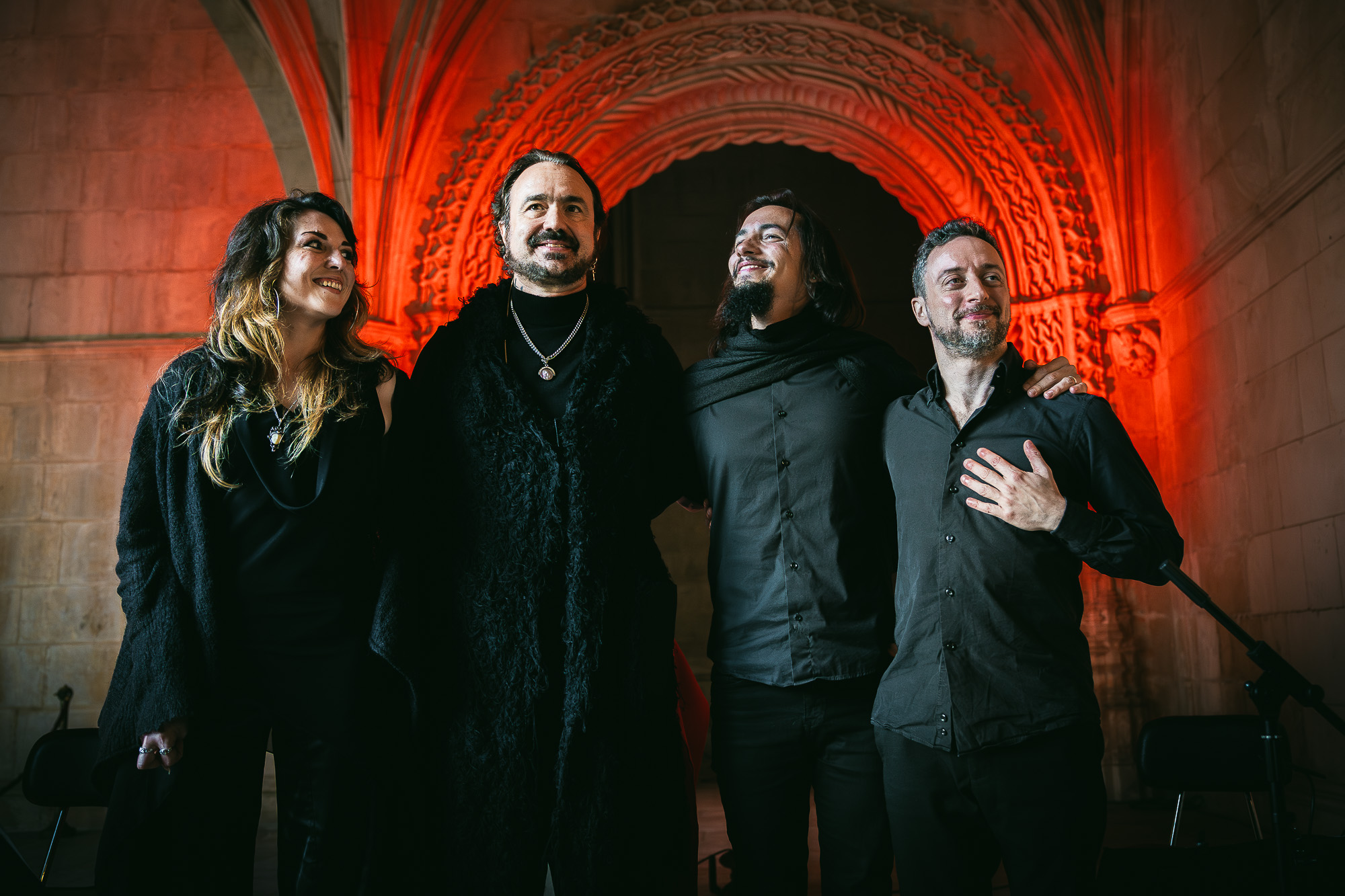
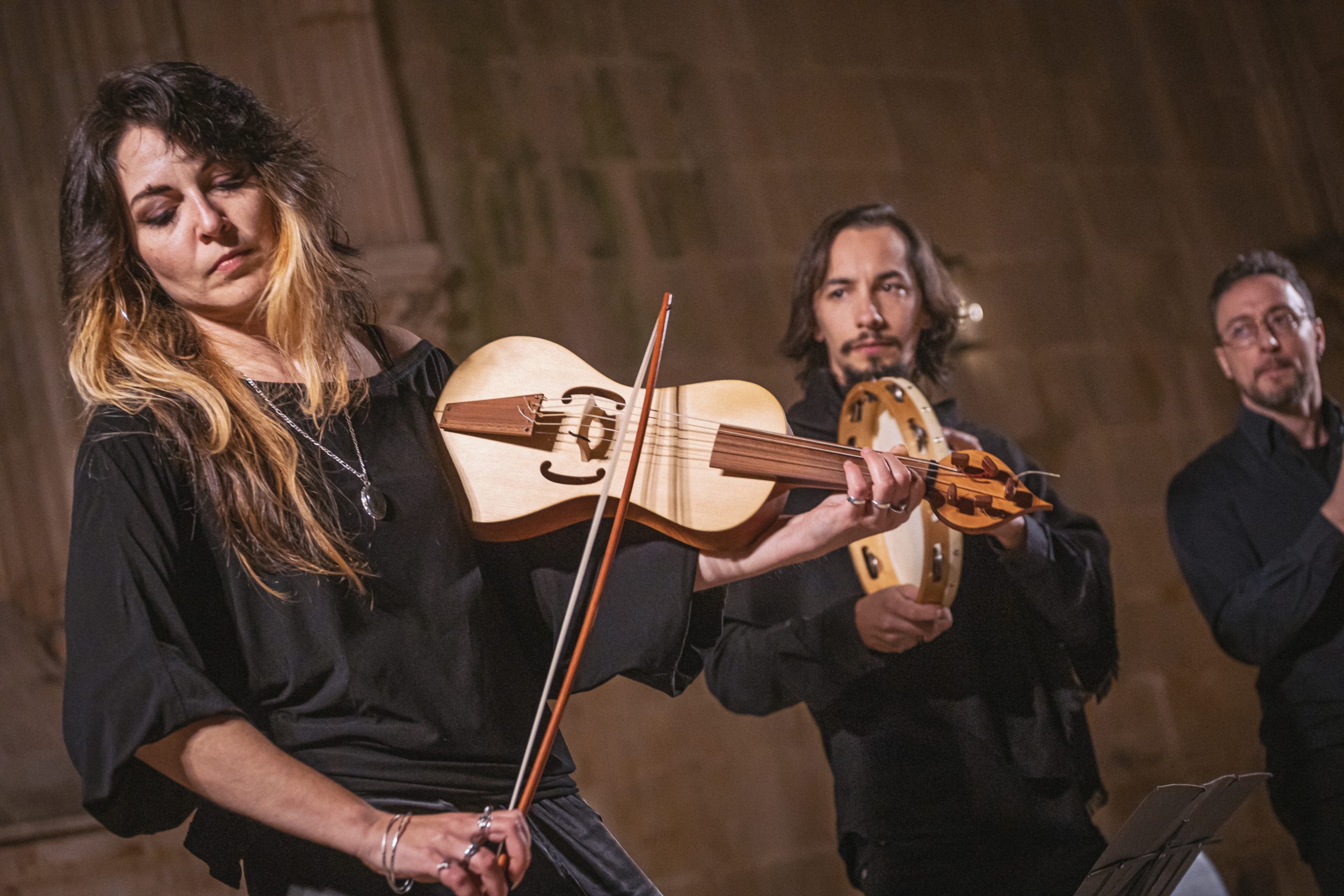
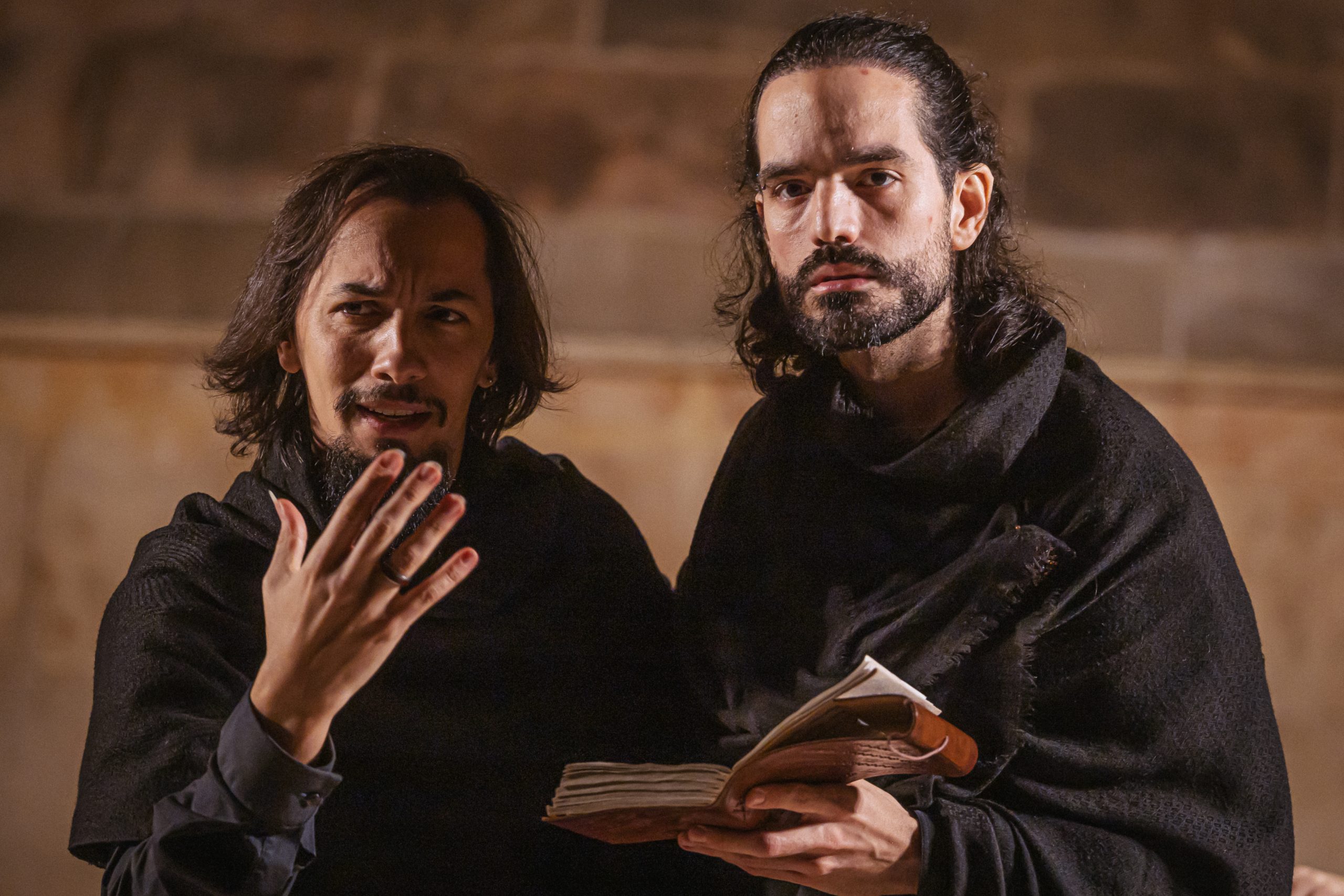
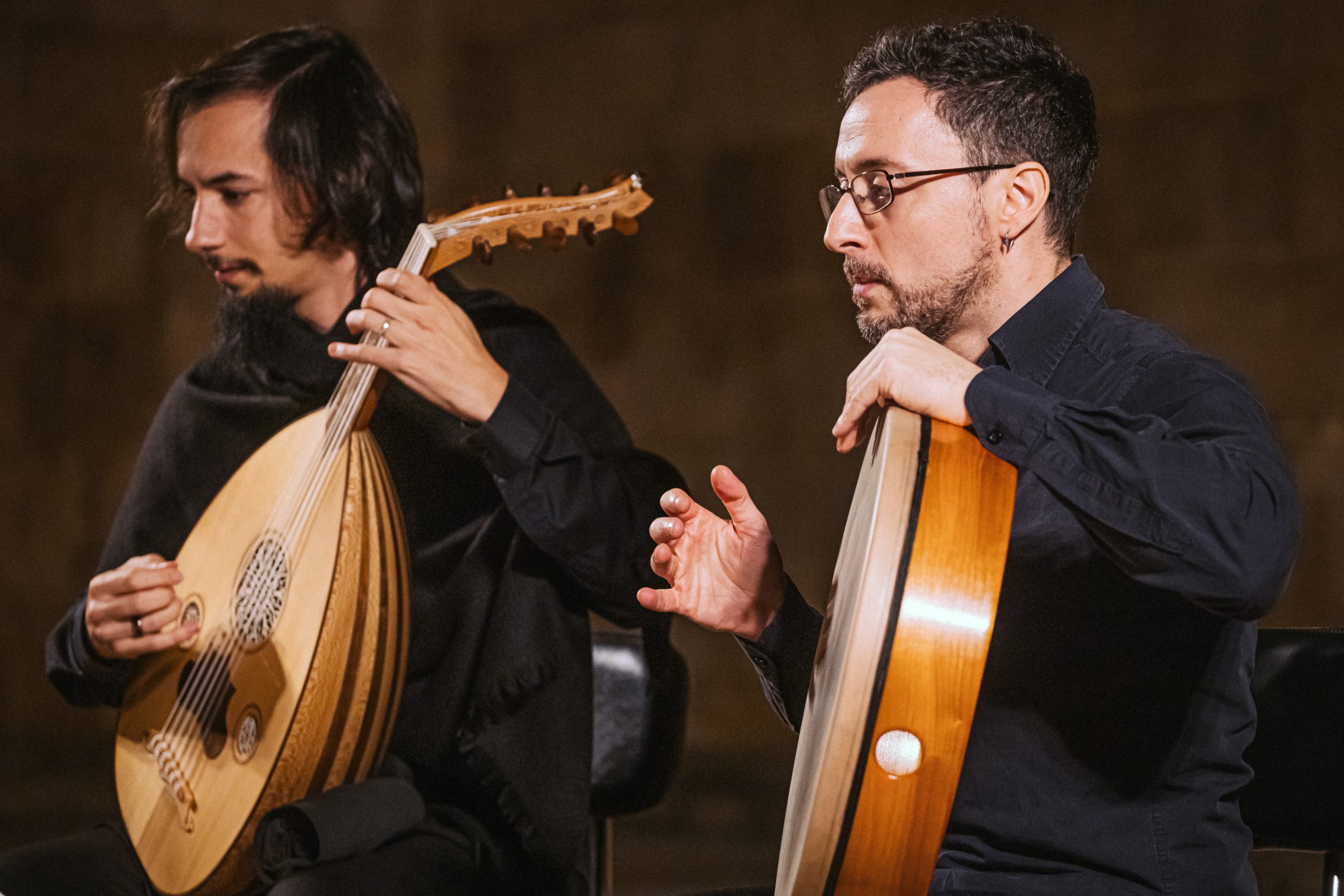
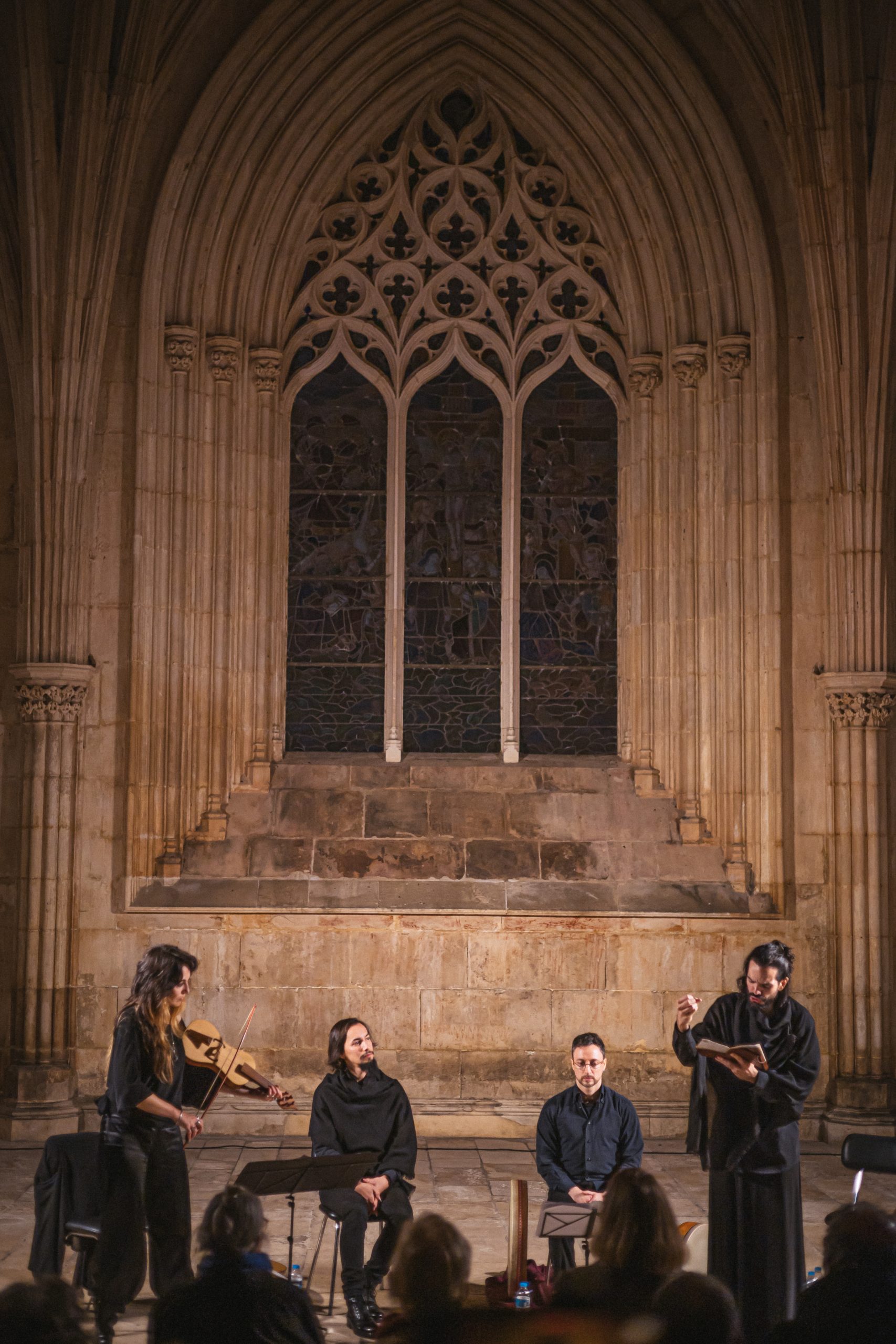
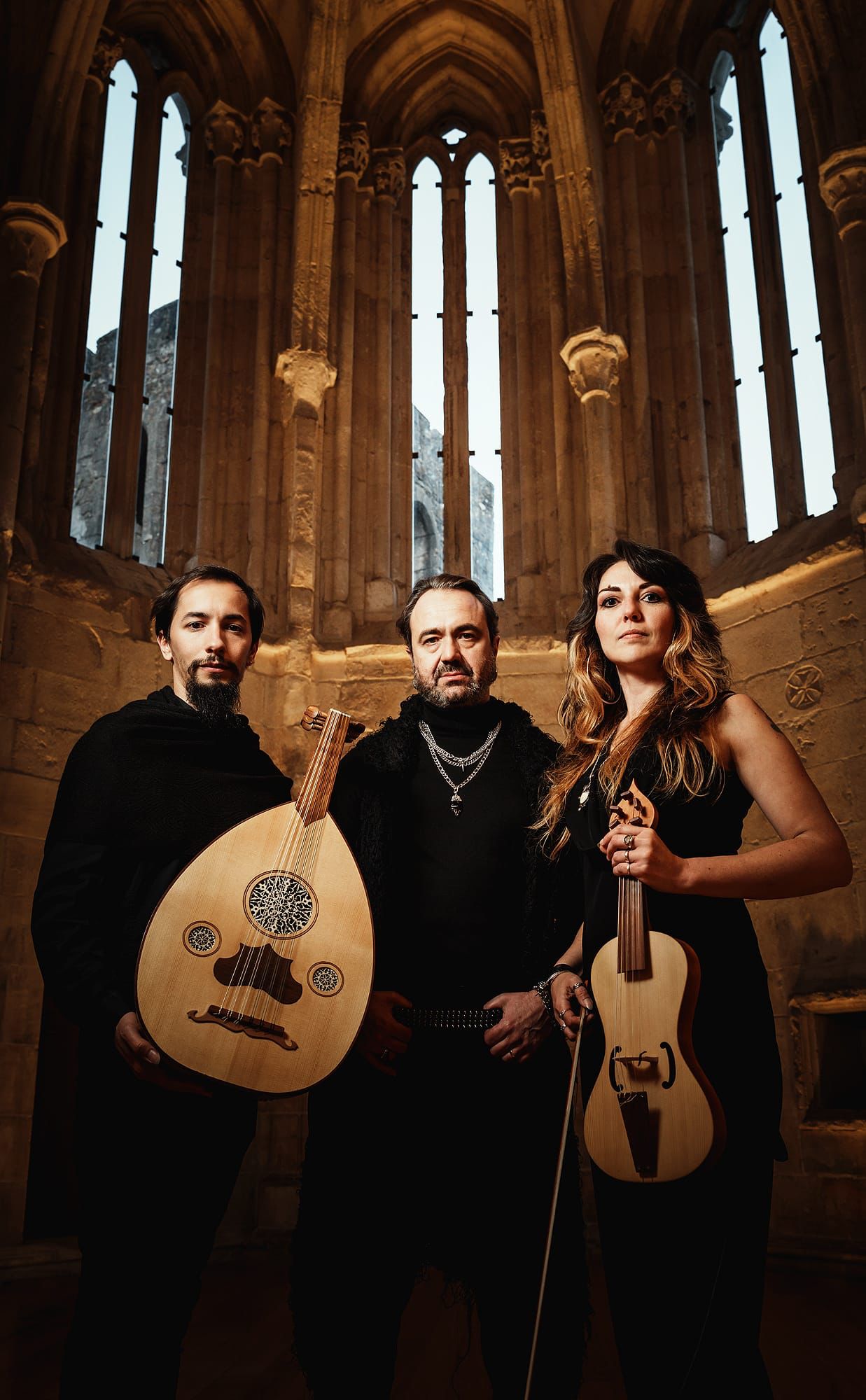
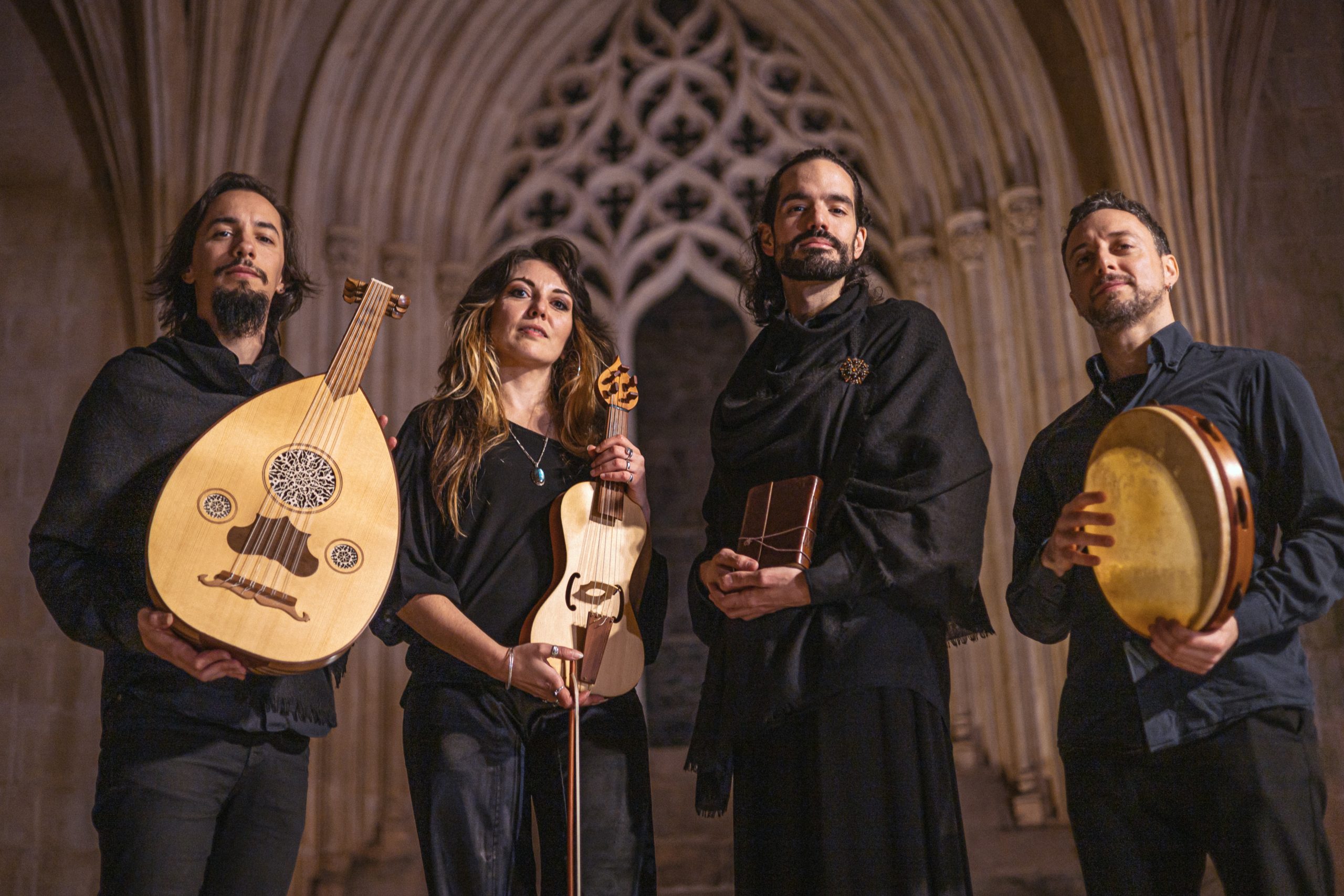
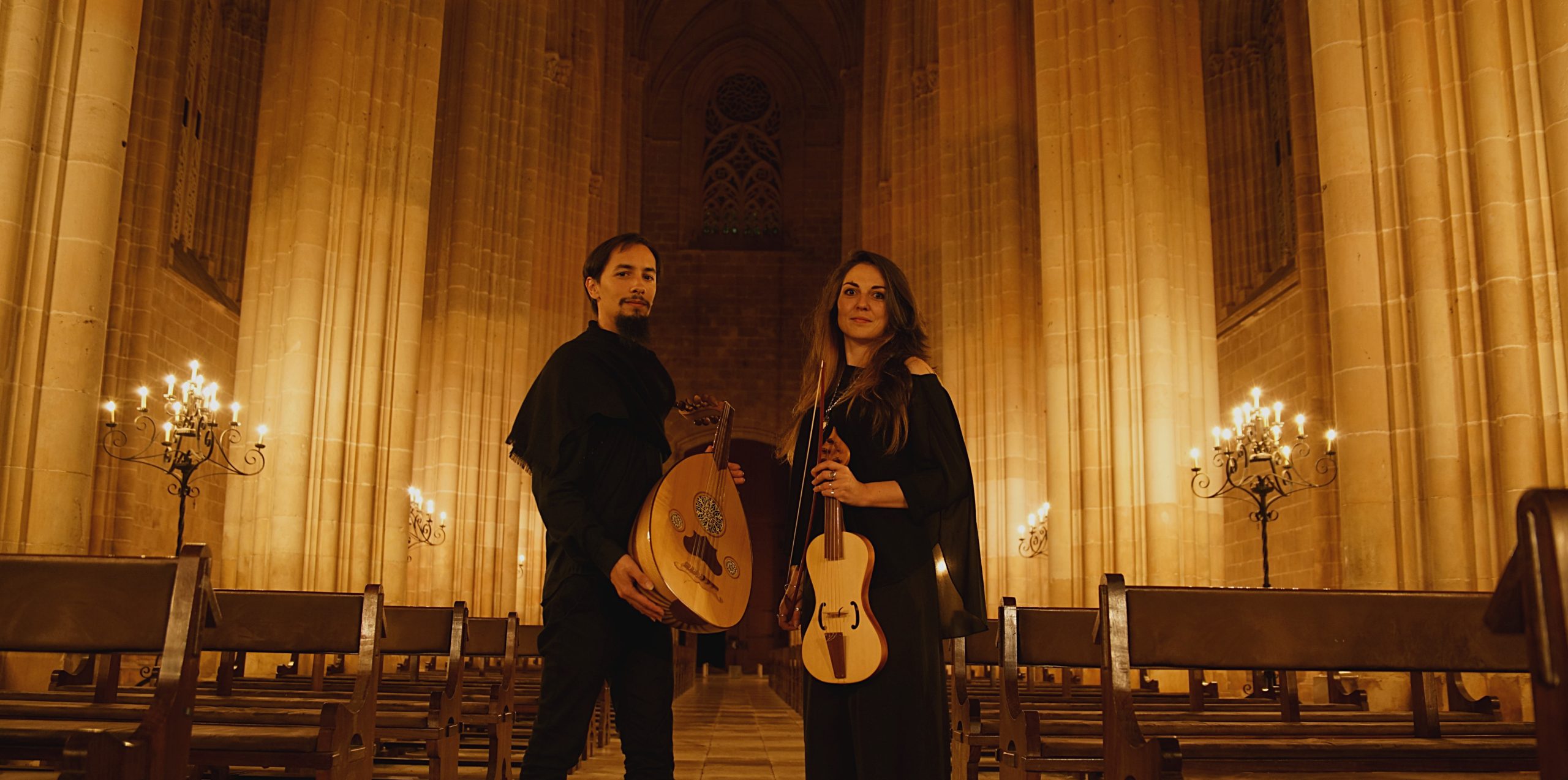
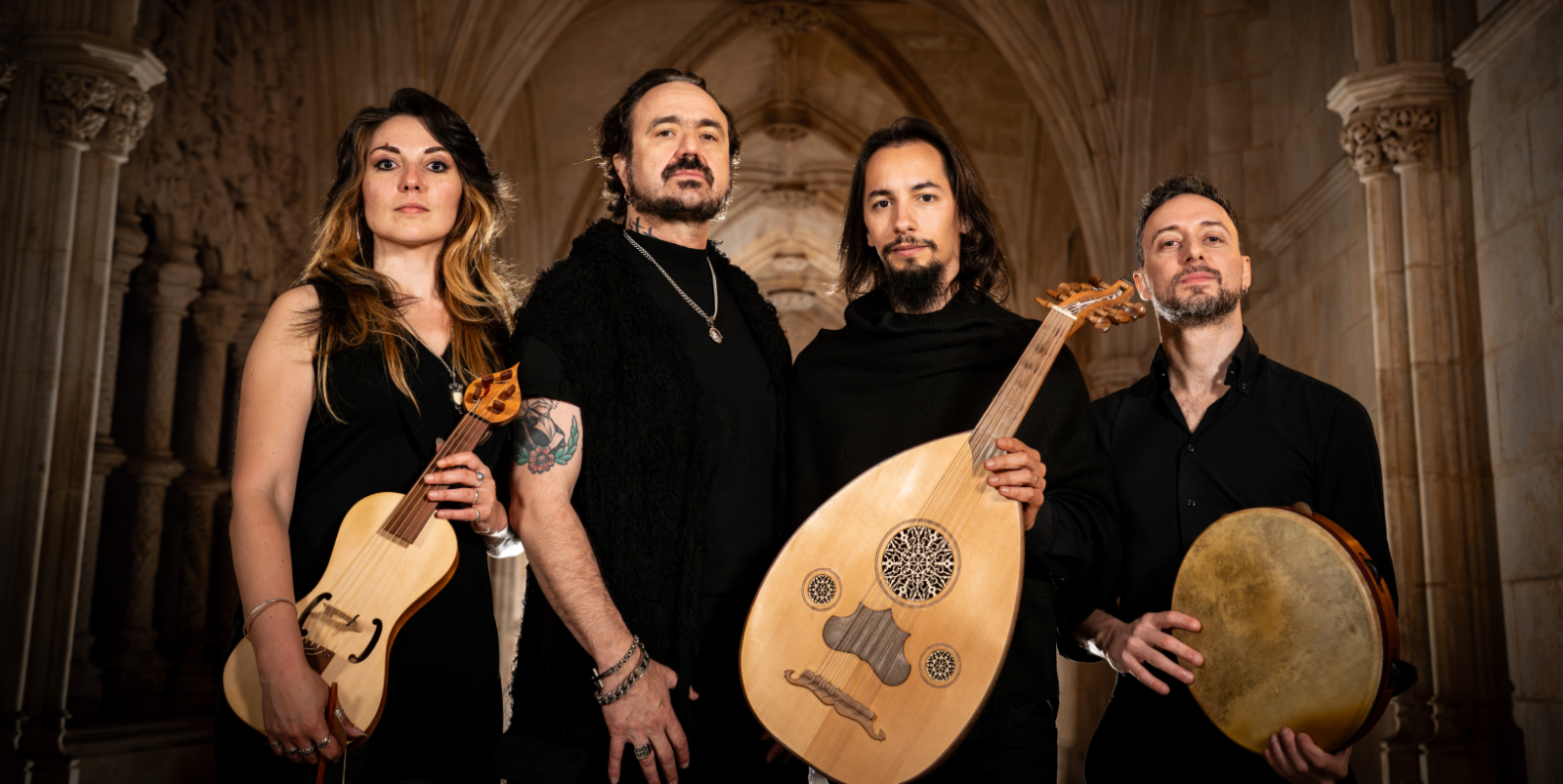
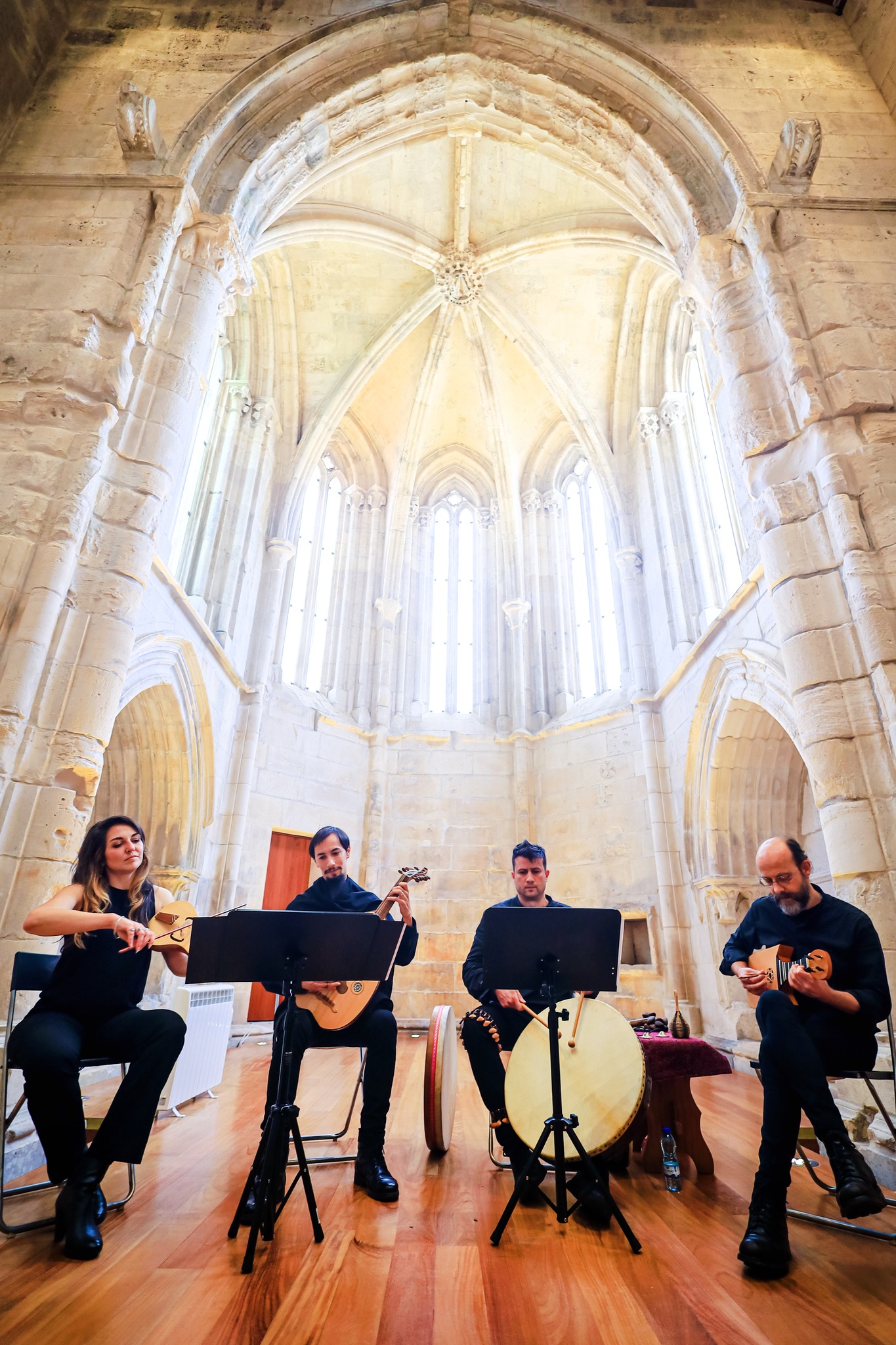
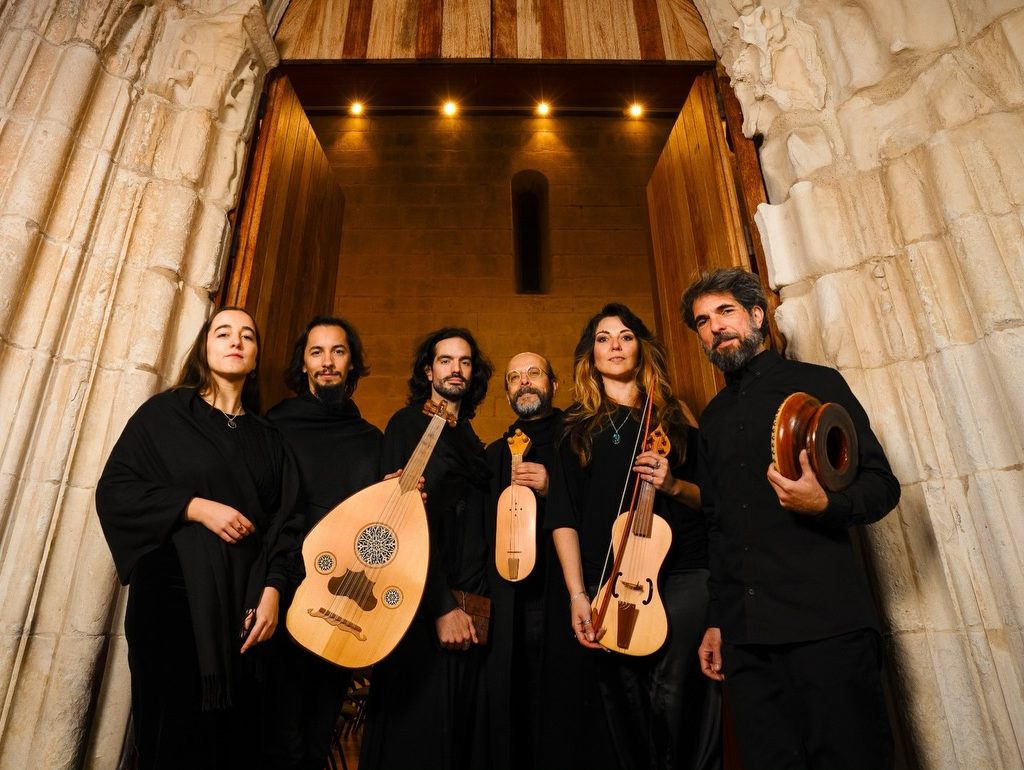
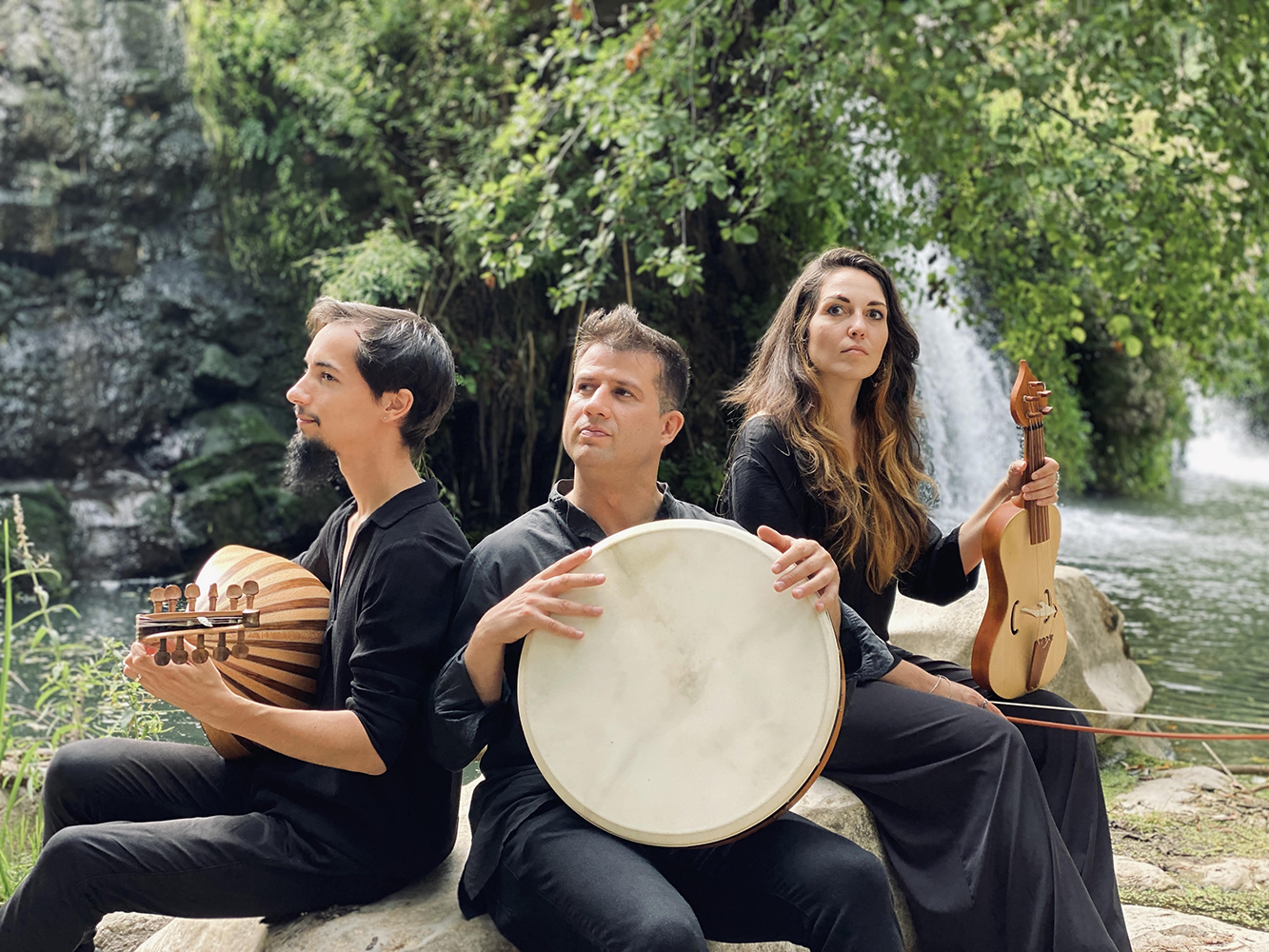
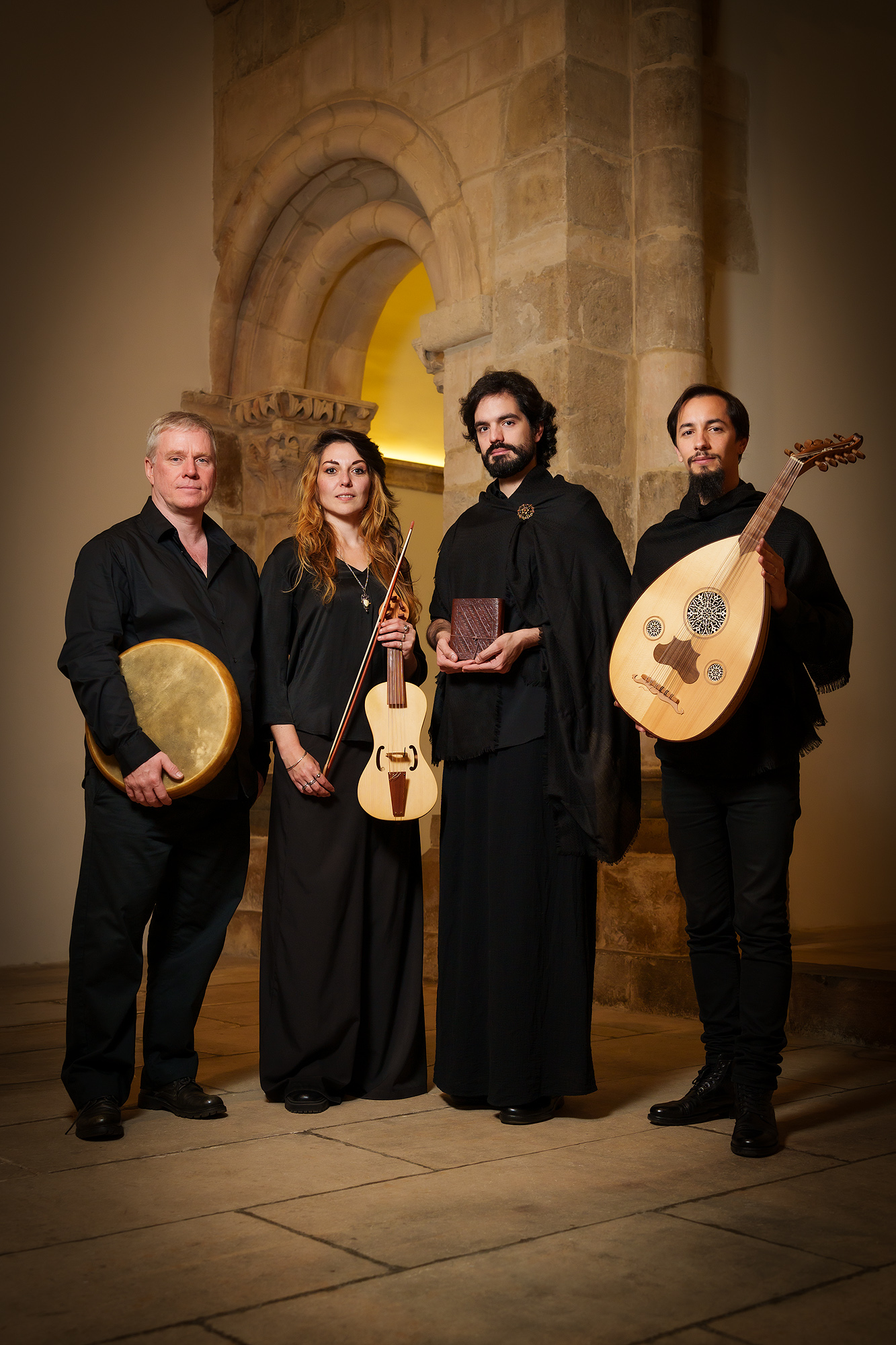
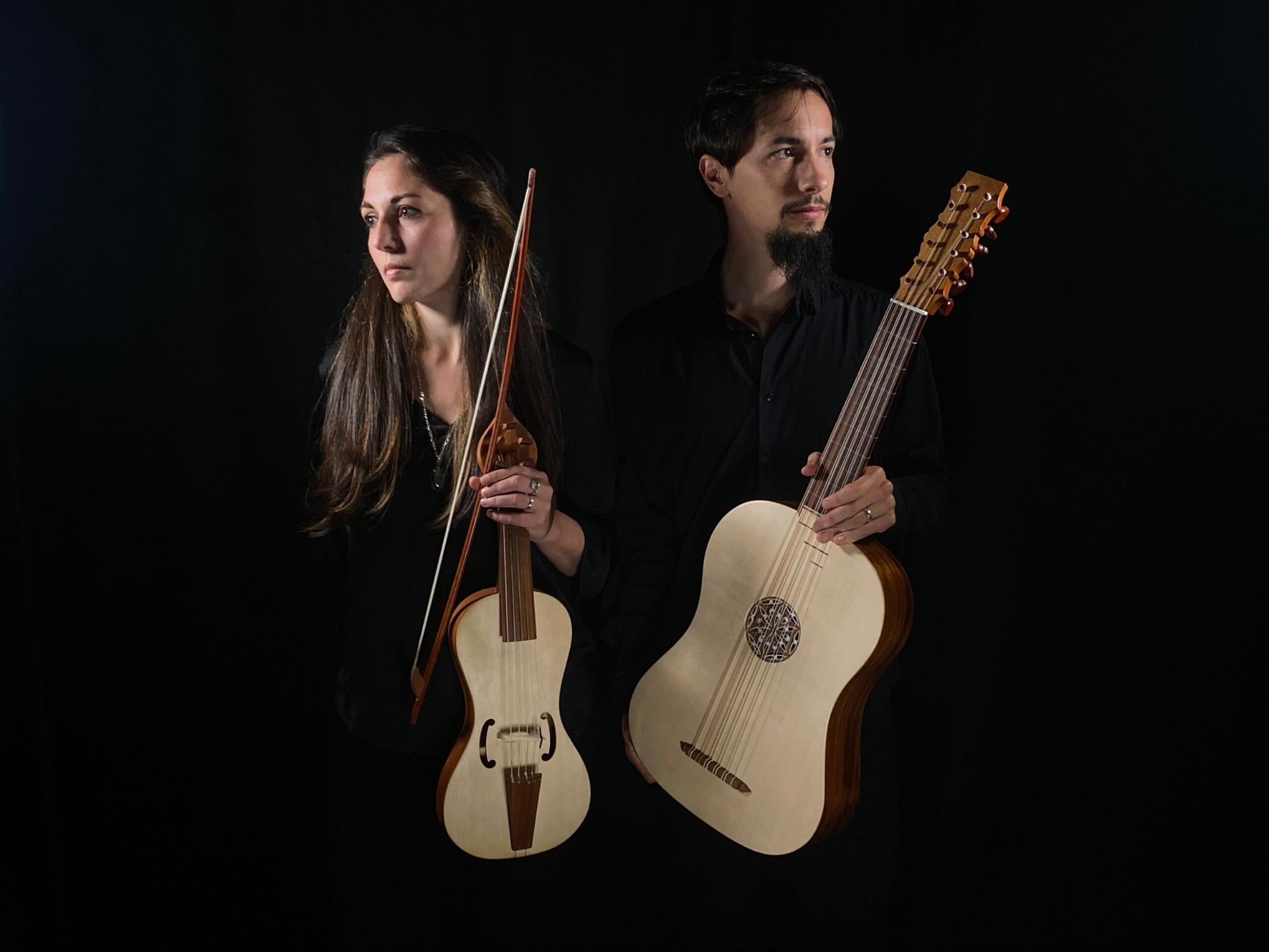
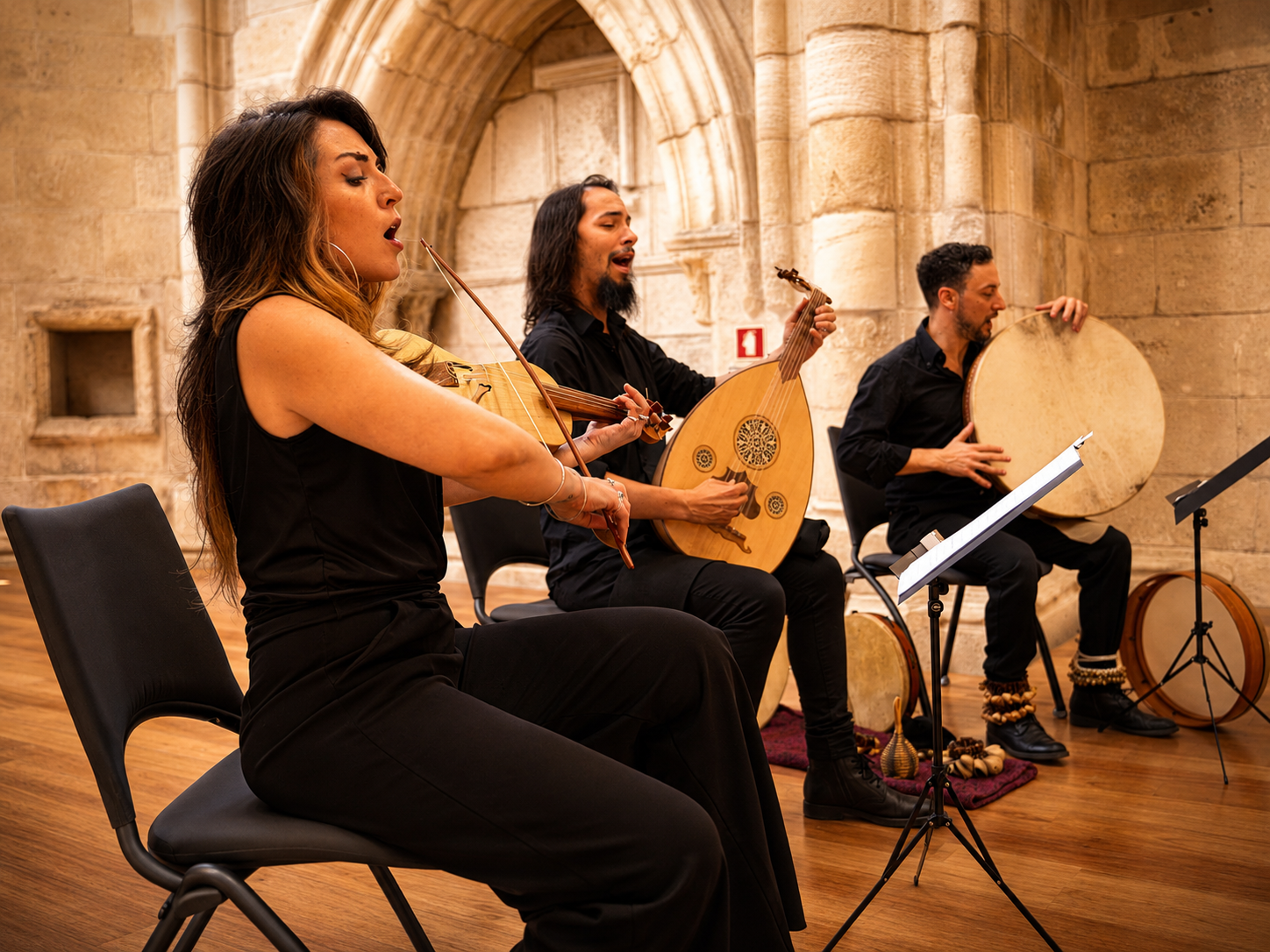
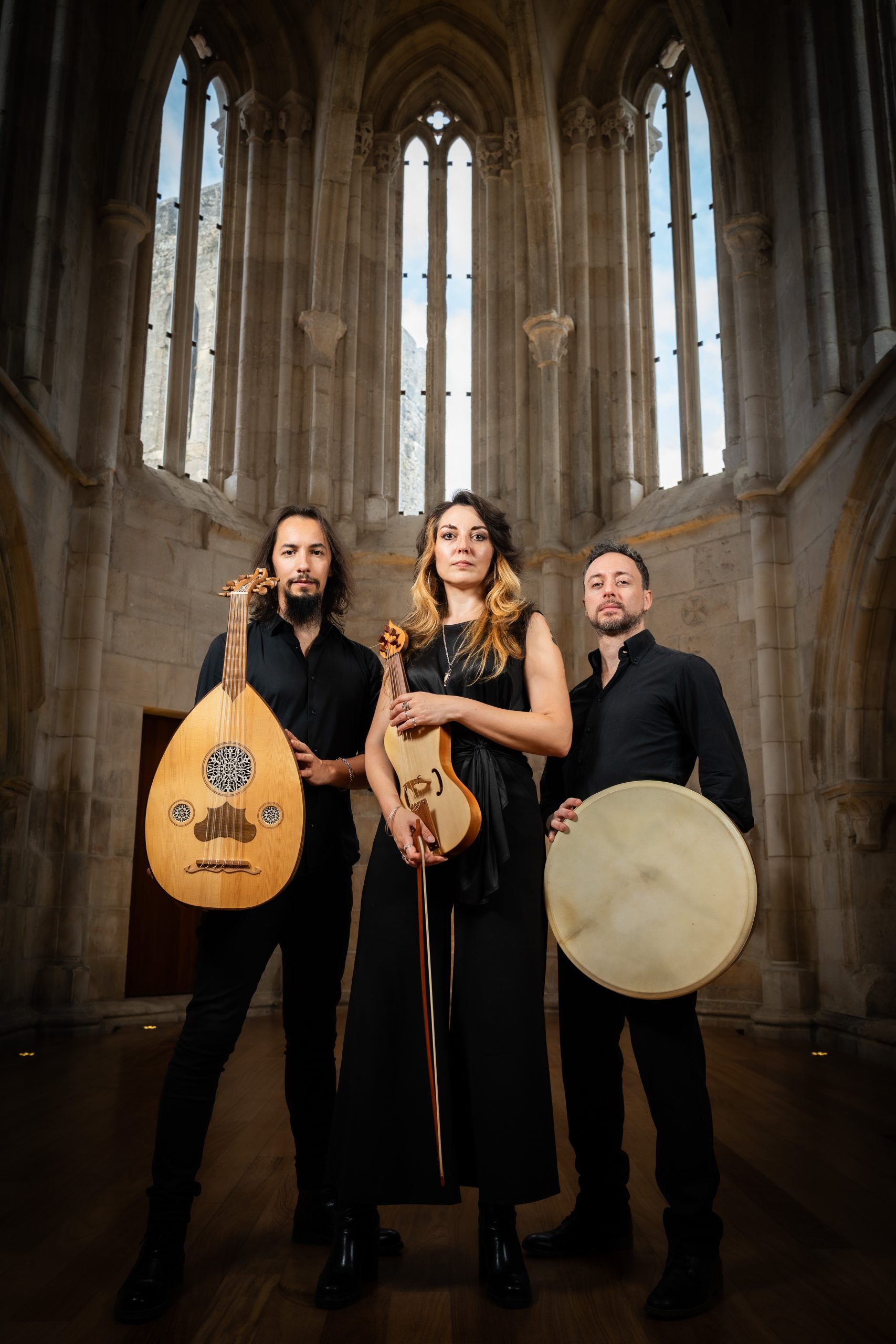
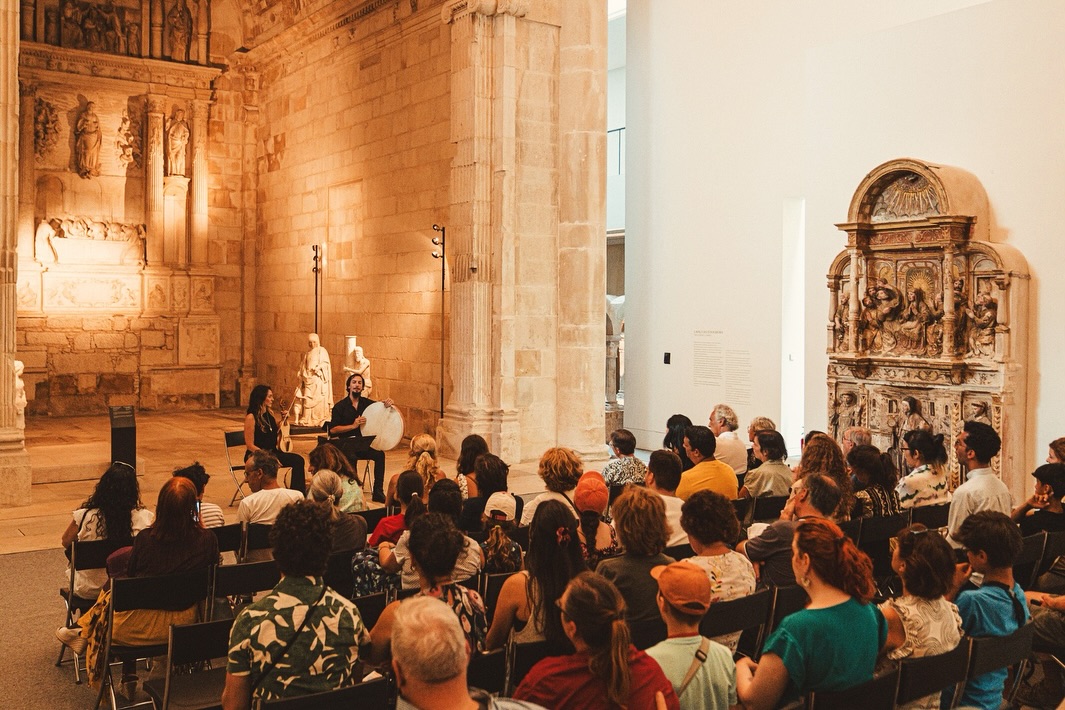
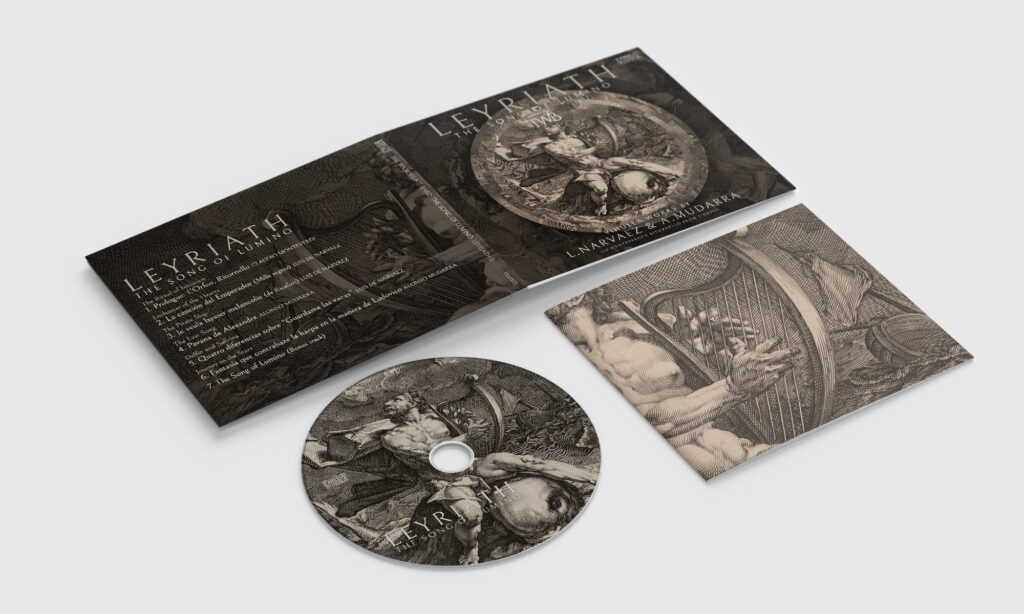
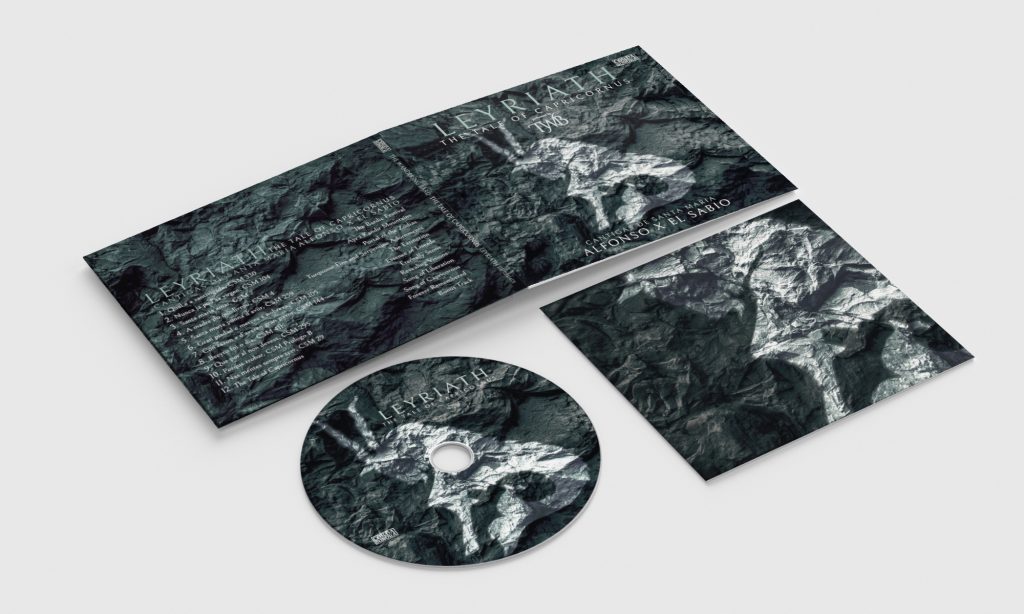
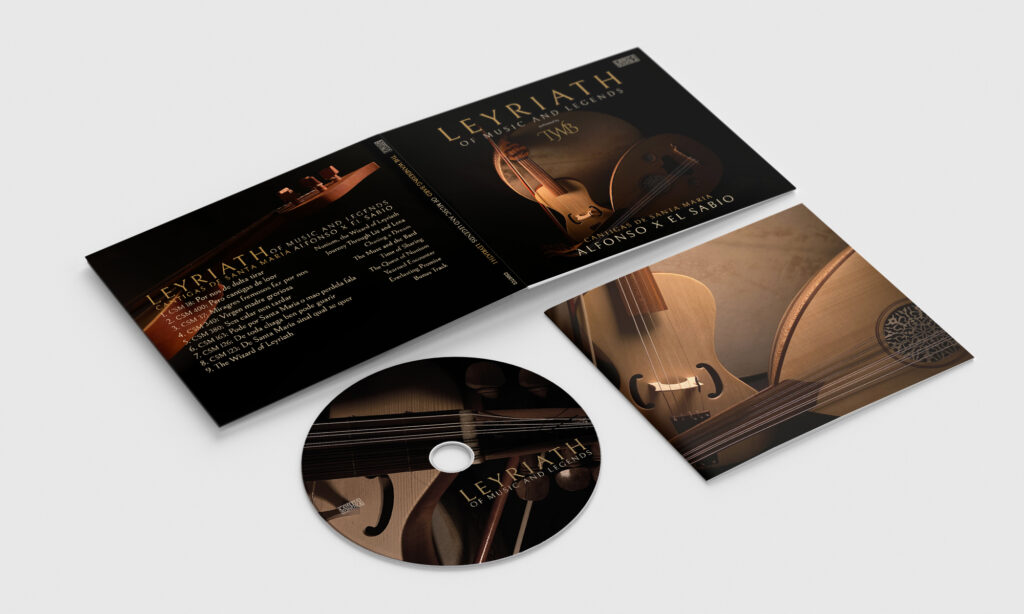
The Wandering Bard began their journey with a goal and, as it happens to all long-lasting establishments, that goal evolved as the ensemble evolved.
The goal was simple: to make their music high-quality and sophisticated, yet approachable and appreciable.
The earliest works of the ensemble were built on the idea of merging the qualities of Renaissance and folk music, with the desire to reach audiences that otherwise might not have heard the other side of the coin. The ensemble would approach either side with equal respect and passion, blending their distinct elements to create a new sound that was suitable for churches and concert halls as much as small theatres and cultural gathering spaces, all at once.
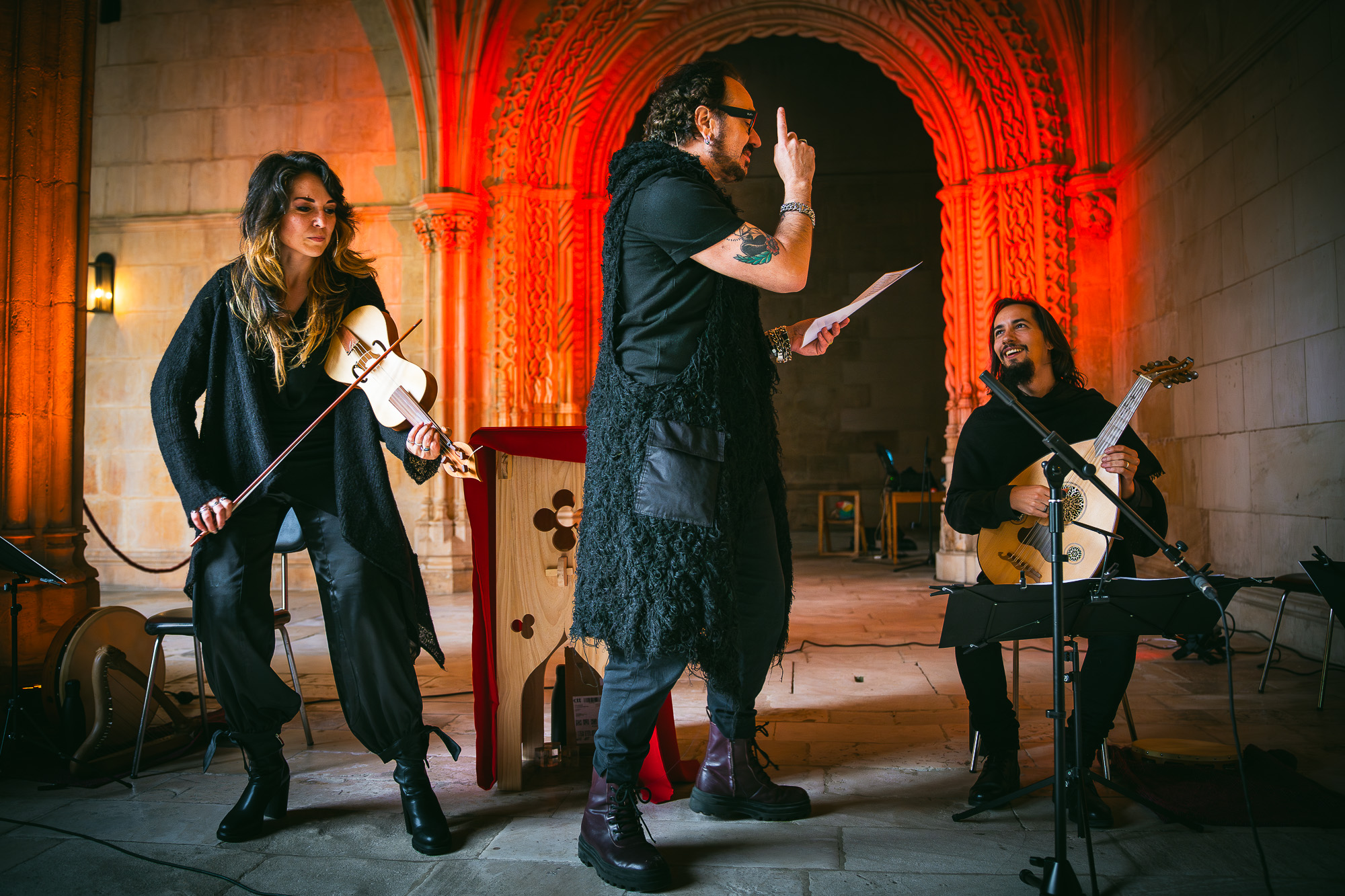
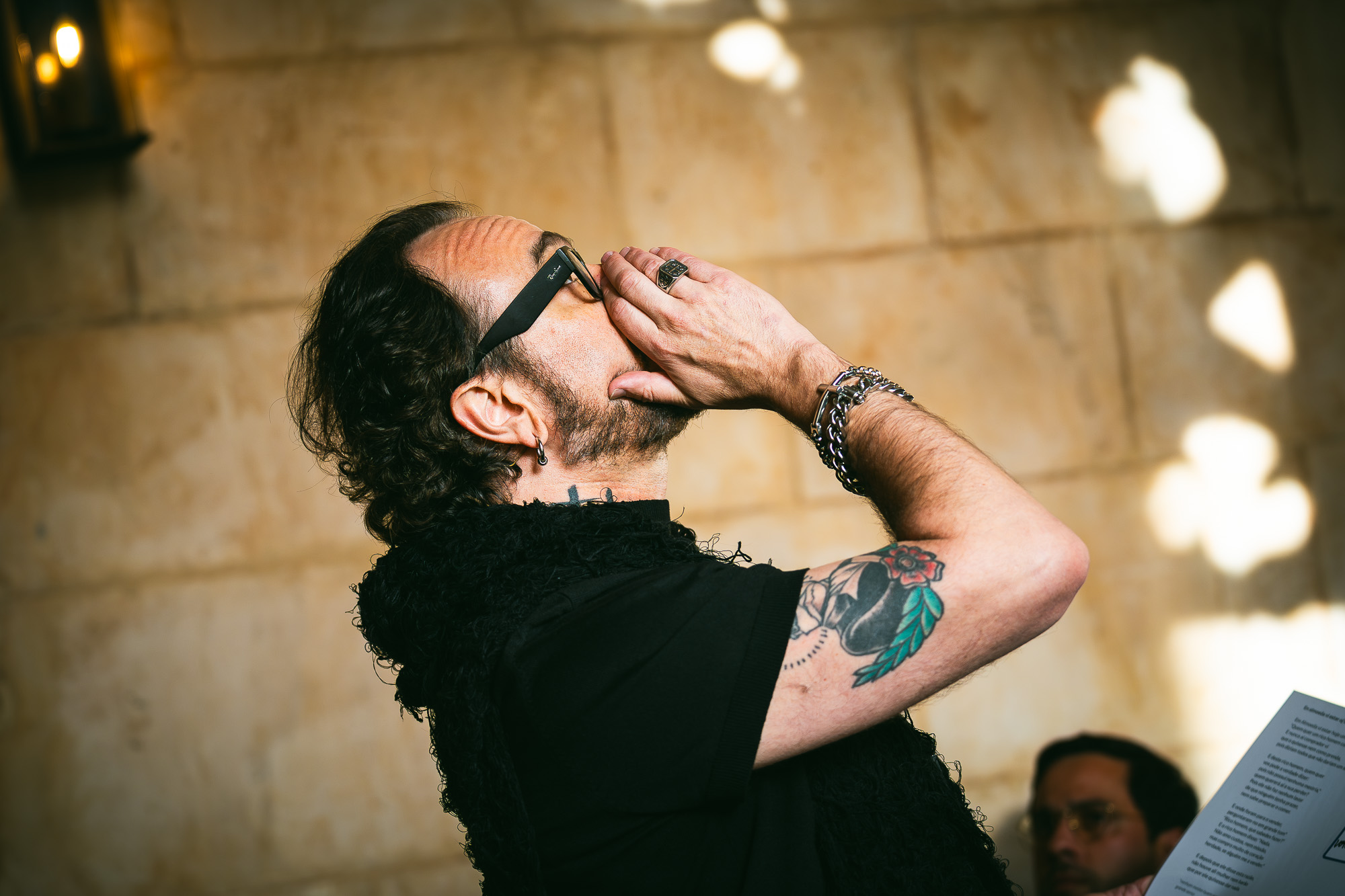
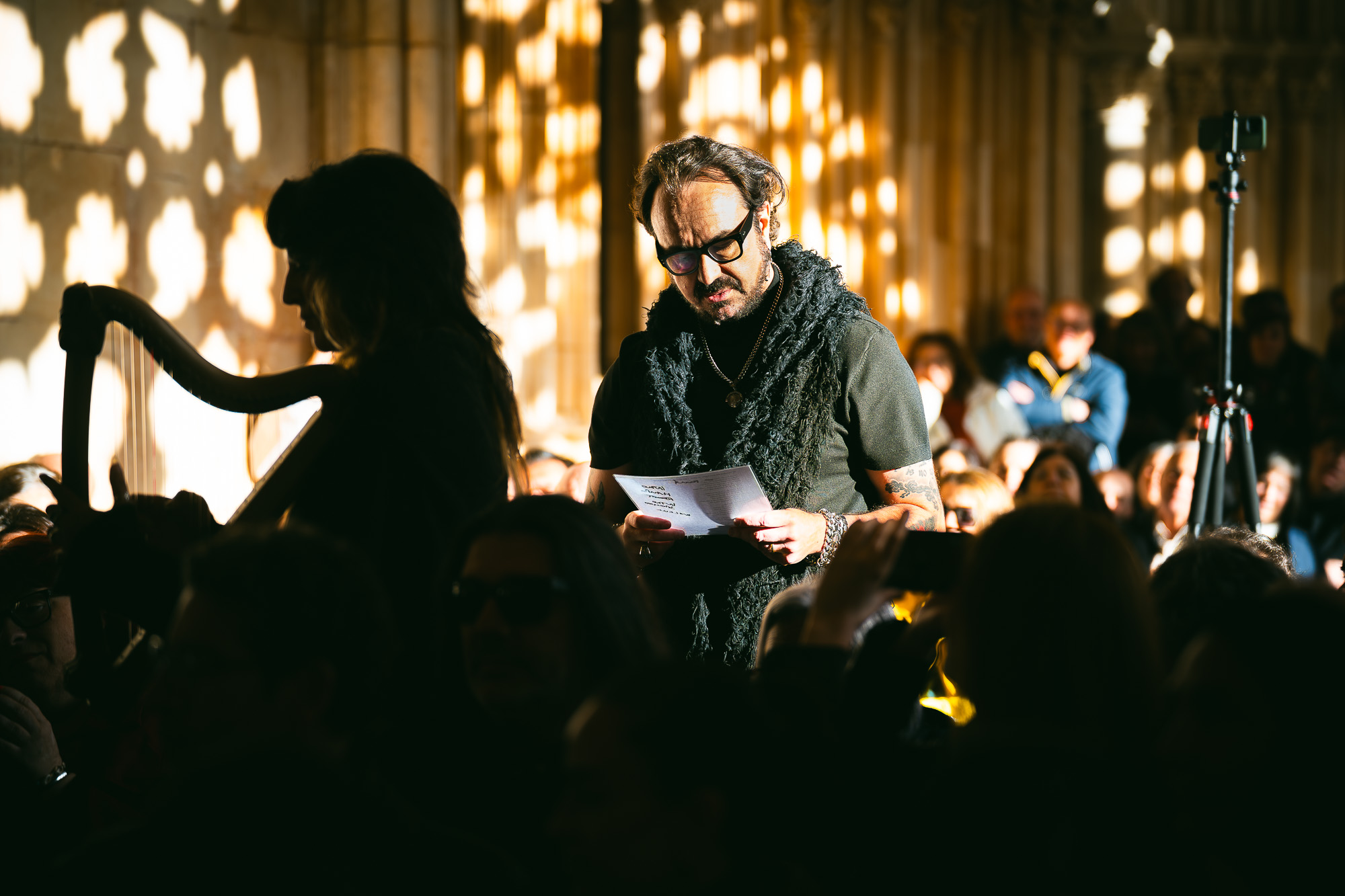
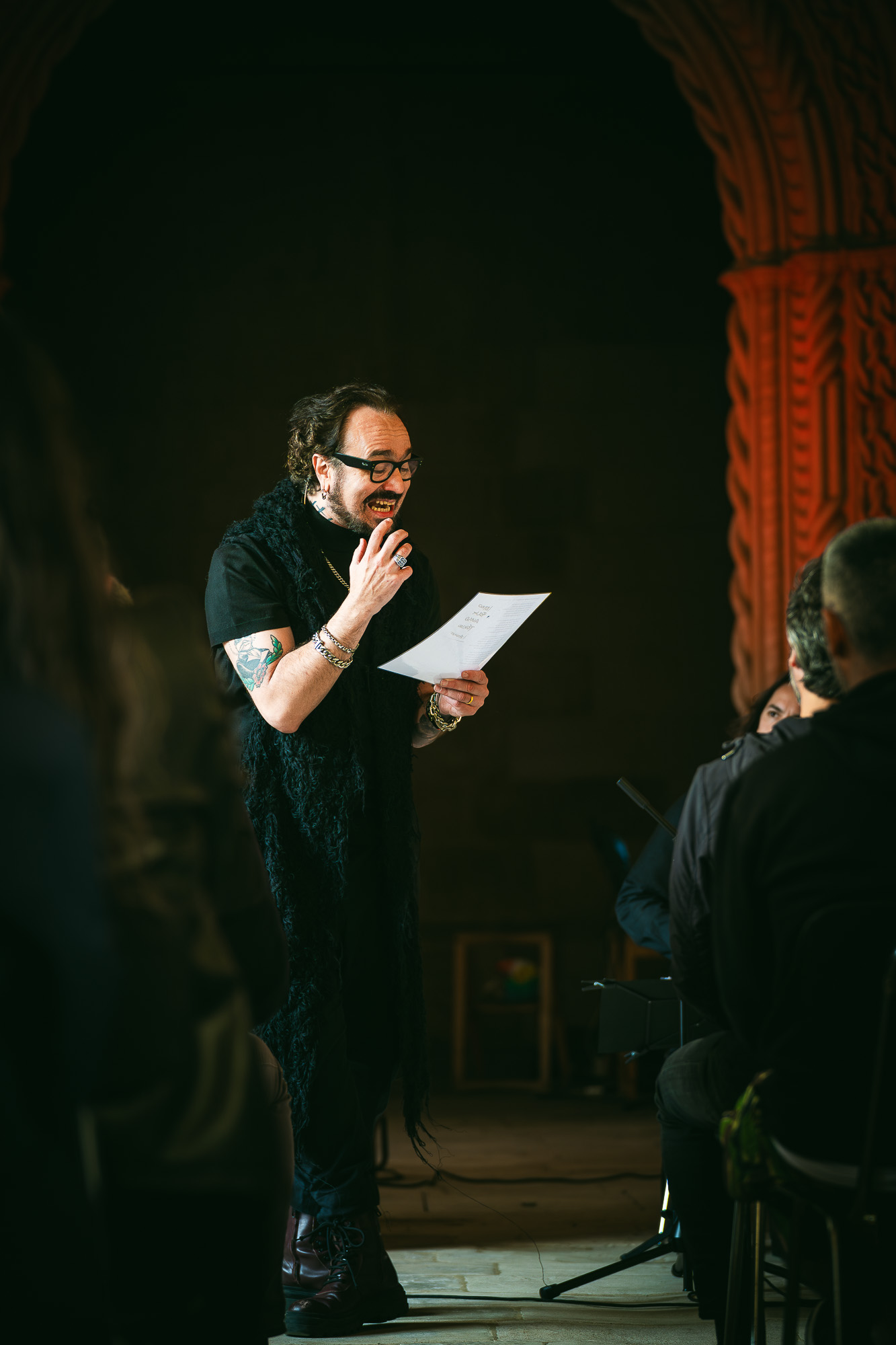
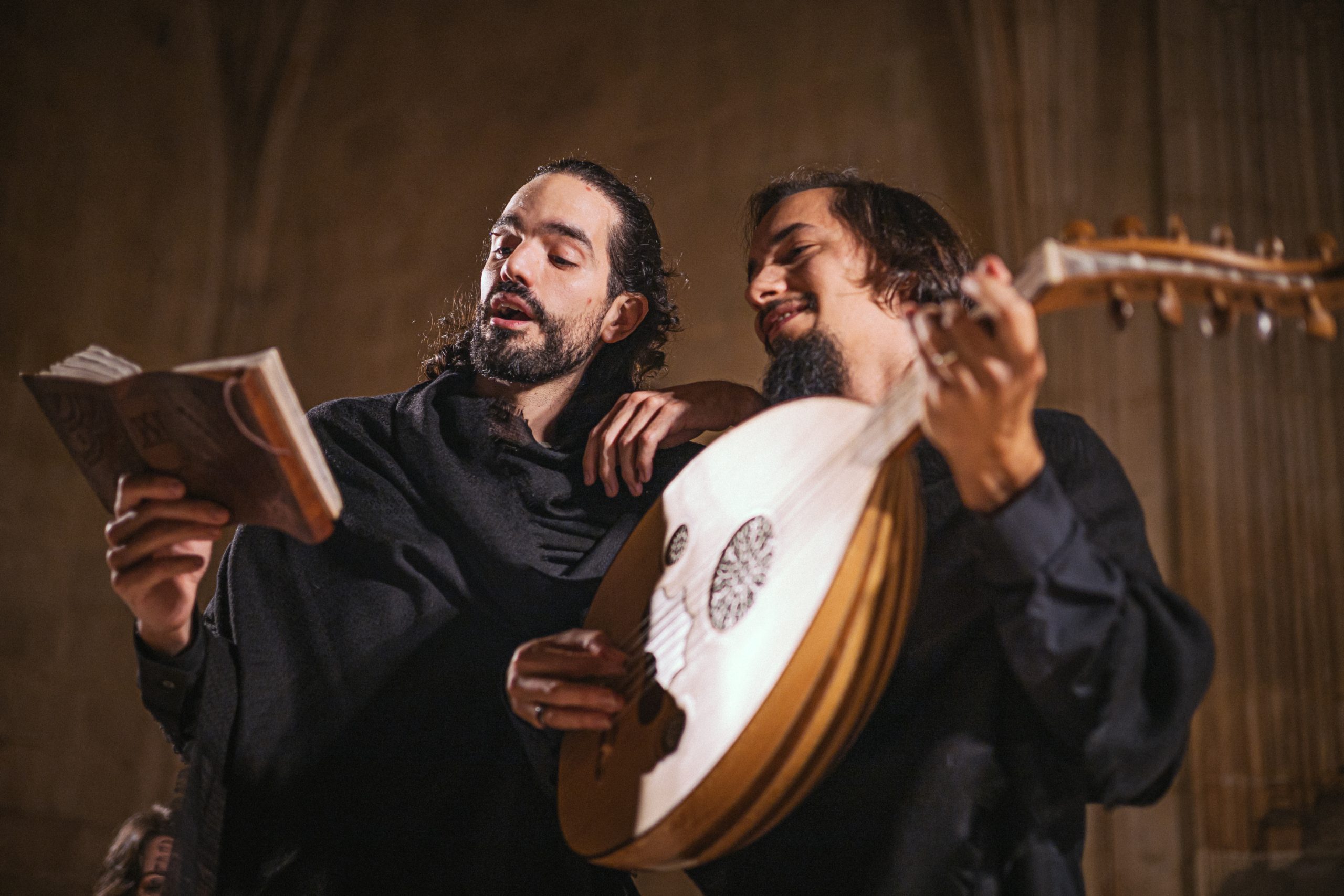
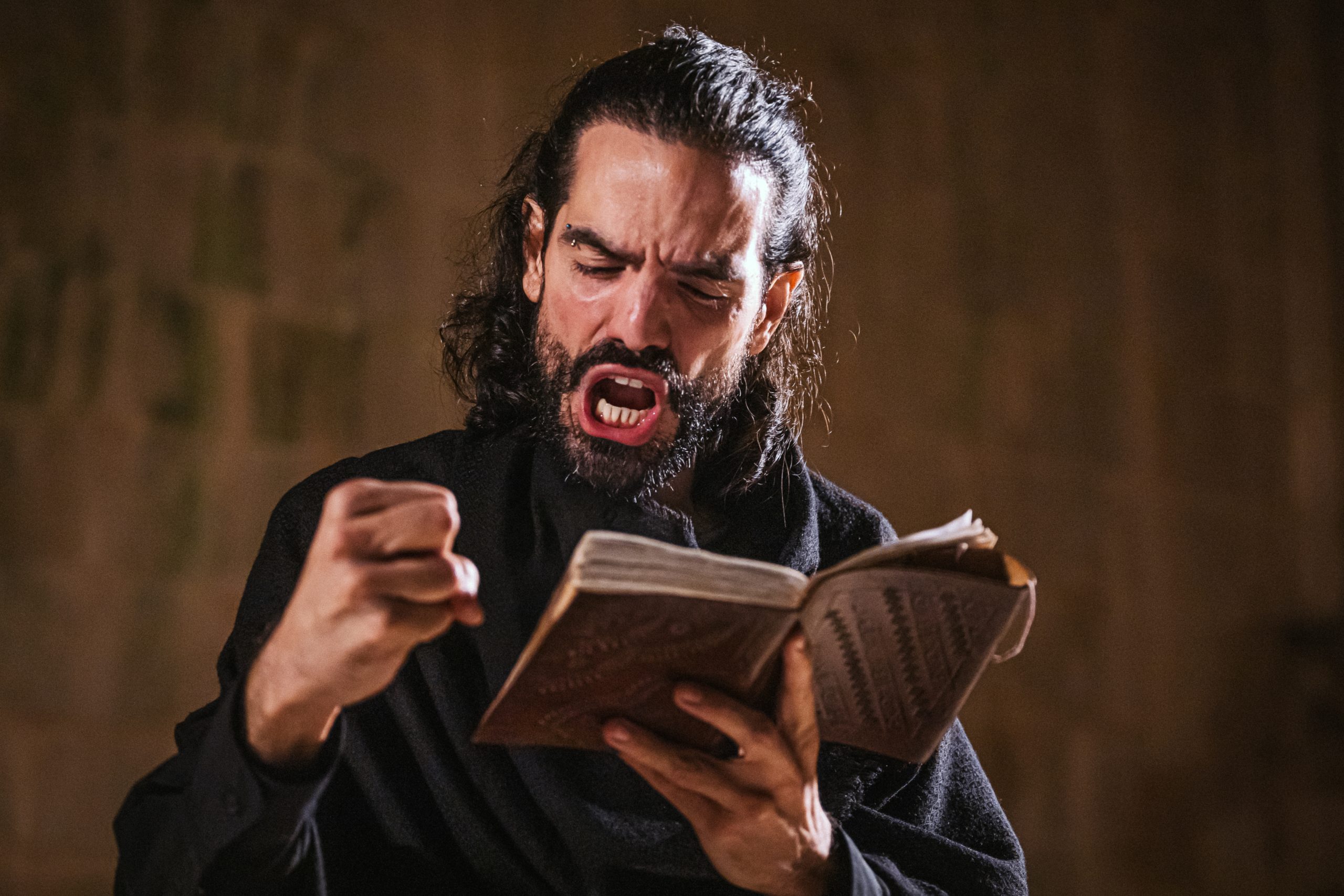
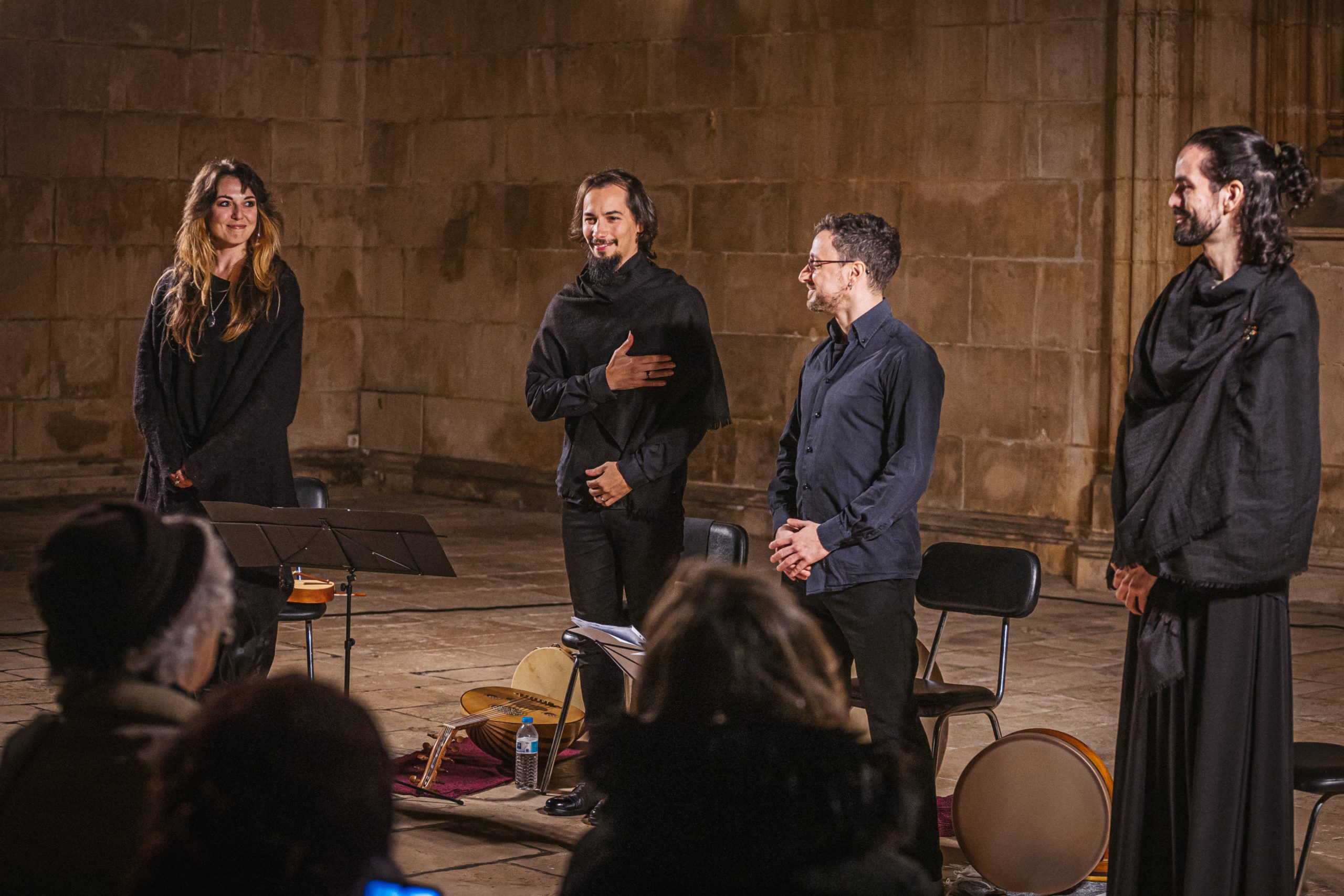
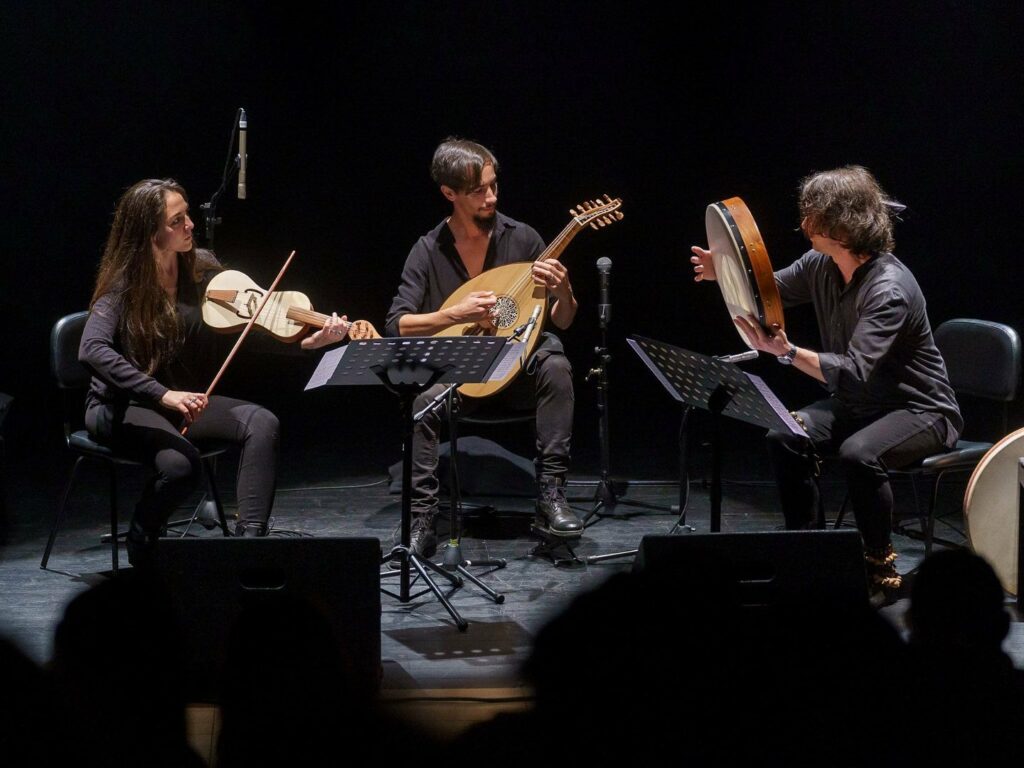
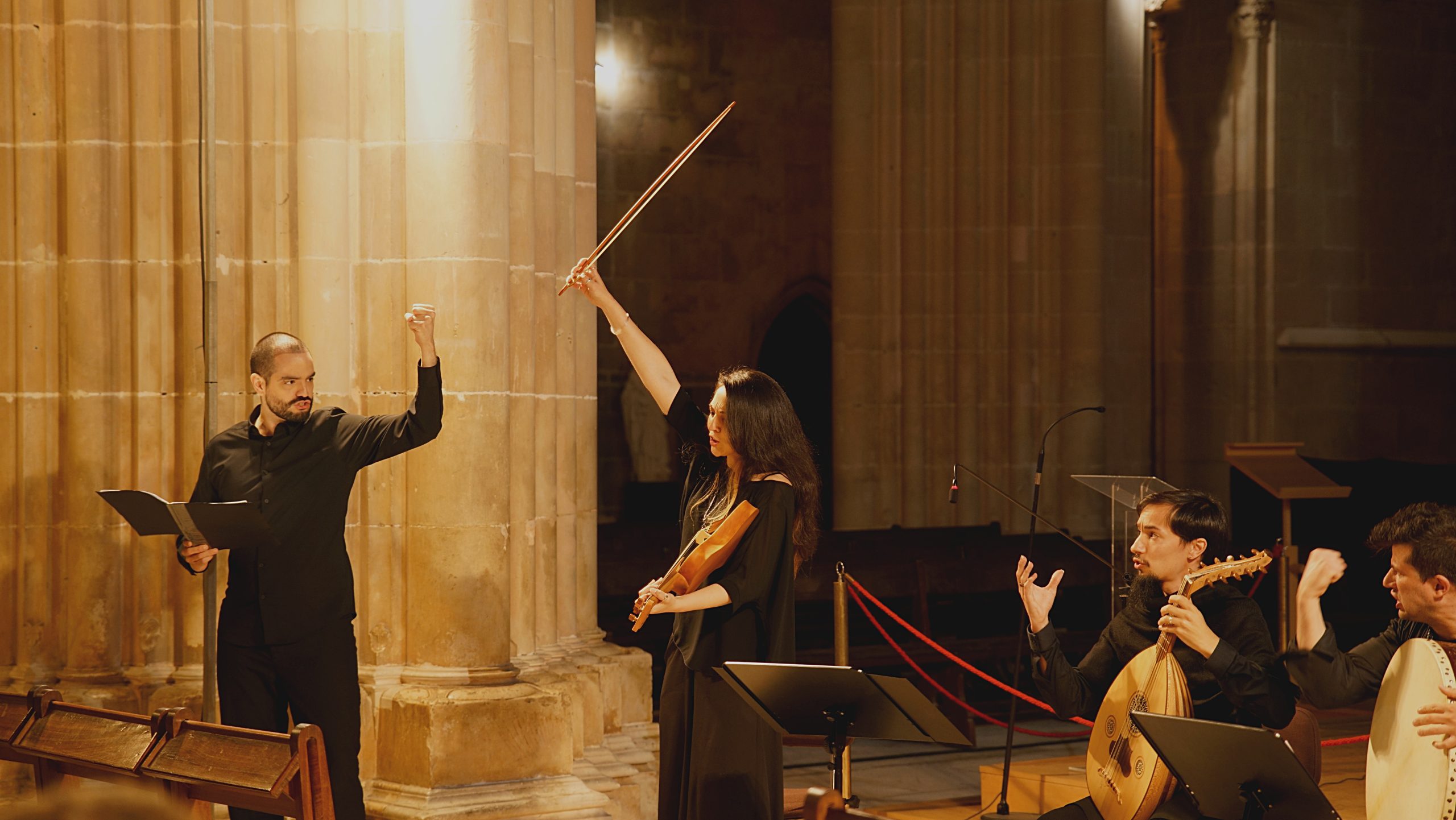
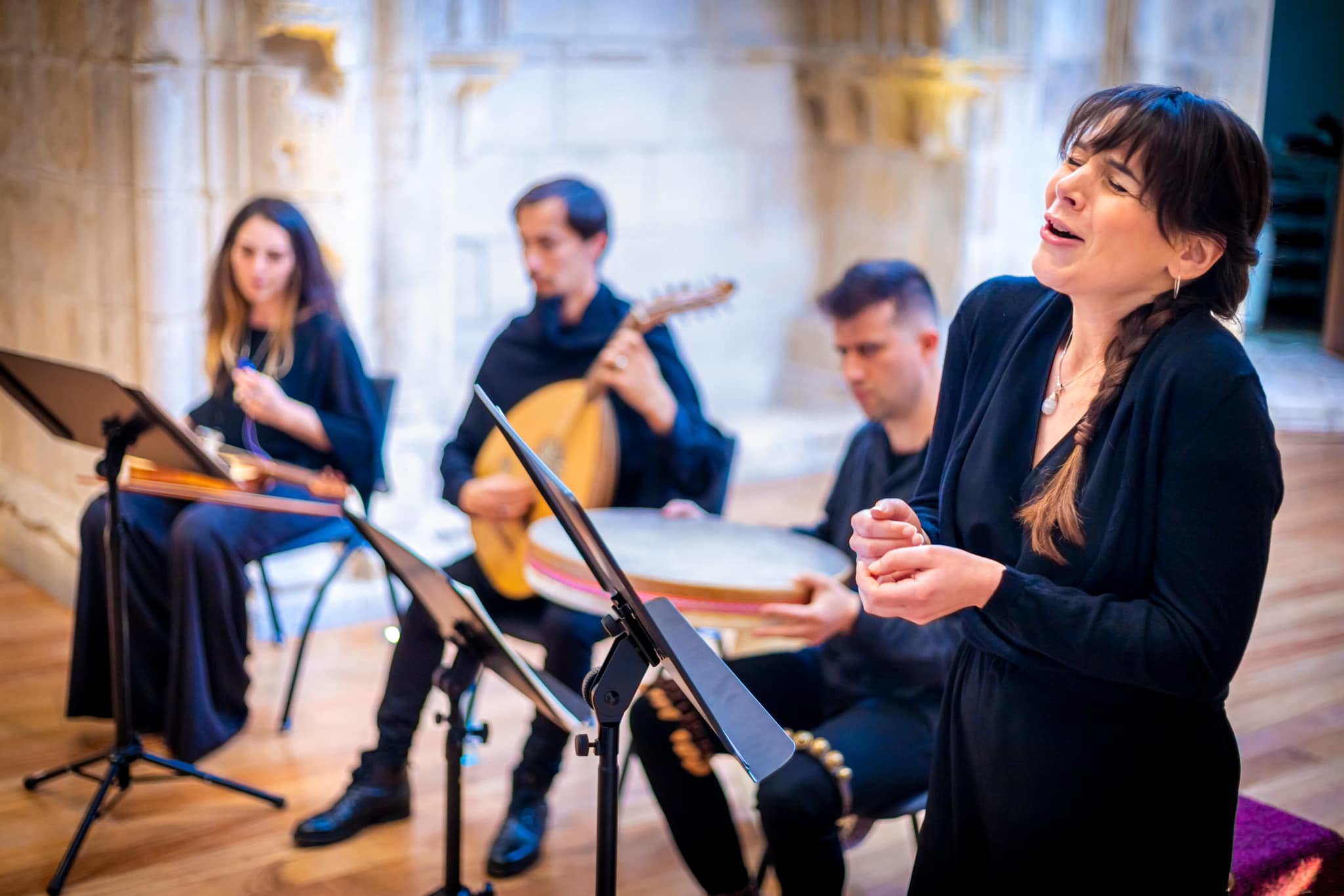
This was a success. The Wandering Bard went on to give concerts internationally in all of these spaces; at times to hundreds of people, and at times to a handful. Both types of concert had the unique outcomes the ensemble had desired all along: concert halls would amplify the depth and seriousness of their work, while small gatherings would create the magical atmosphere set by that “fireside bard” feeling, where the audience would carry home not just memories of an amazing concert, but of one of those unique nights where drink is shared and stories are told.
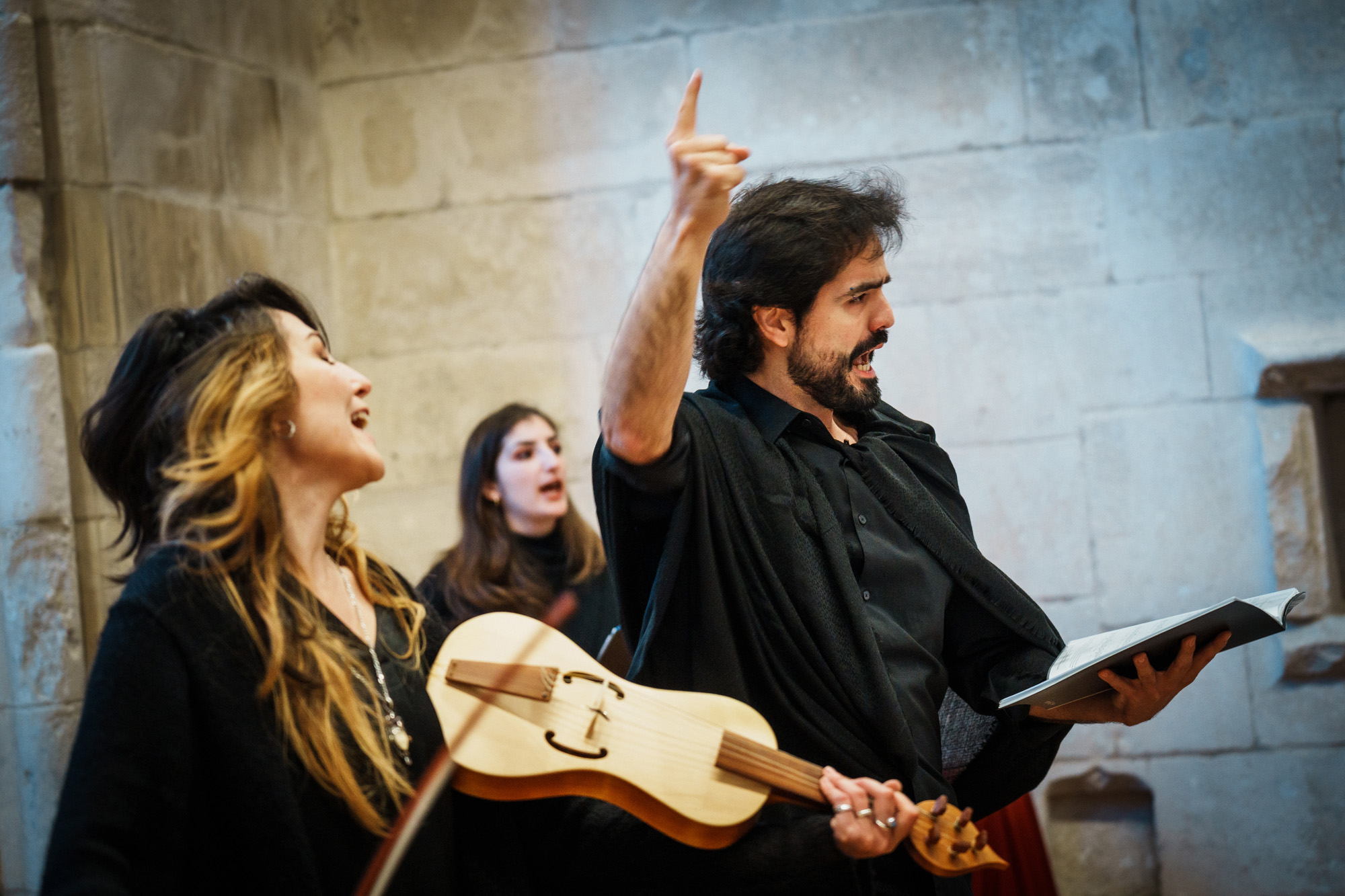
Both classical and folk-music audiences enjoyed the ensemble’s setlists, enriched by repertoire they were not accustomed to hearing in their own musical environments. This was because the arrangements would nevertheless be approached in the same way, regardless of whether the source repertoire came from written or oral tradition: musically presenting the narrative told between the pieces to create an arc over the selected repertoire; hinting at elements of that narrative through melodic and dynamic motives; thus, the musical language of The Wandering Bard was born.
As the years went by, the members began to realise that what connected the dots between both audiences was more than just the blend of repertoires, and that medieval repertoire on its own was reaching both places at once.
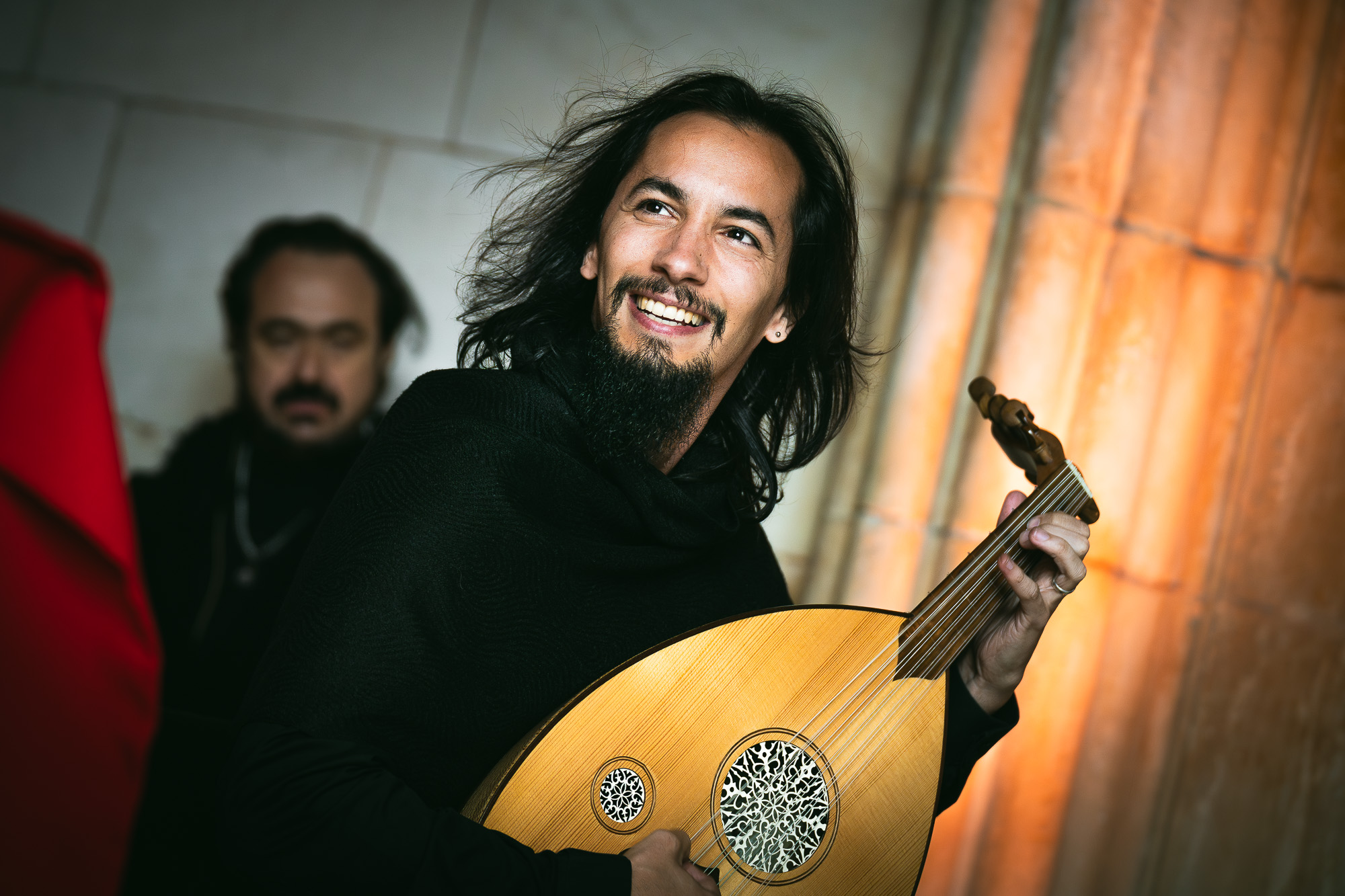
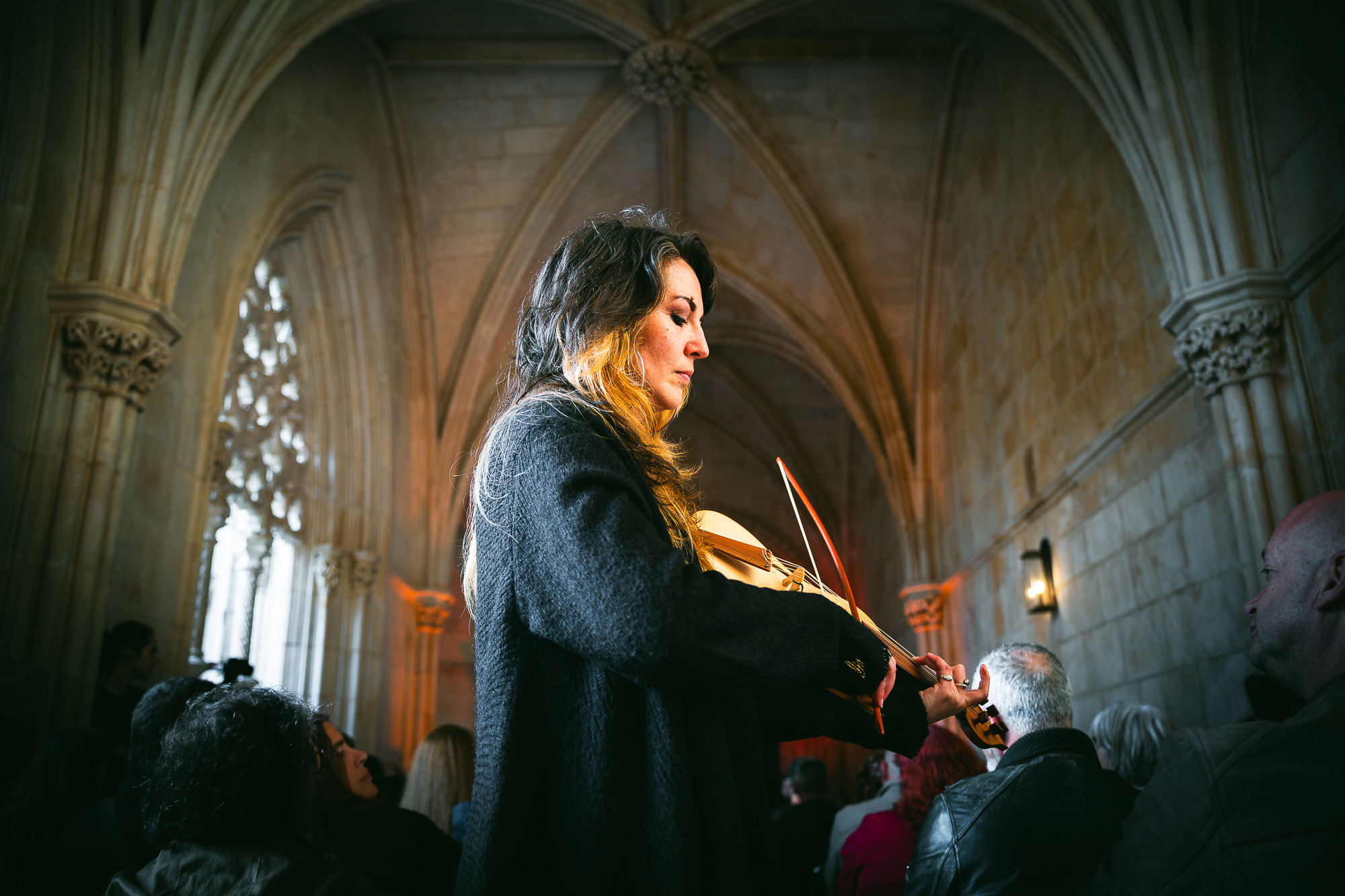
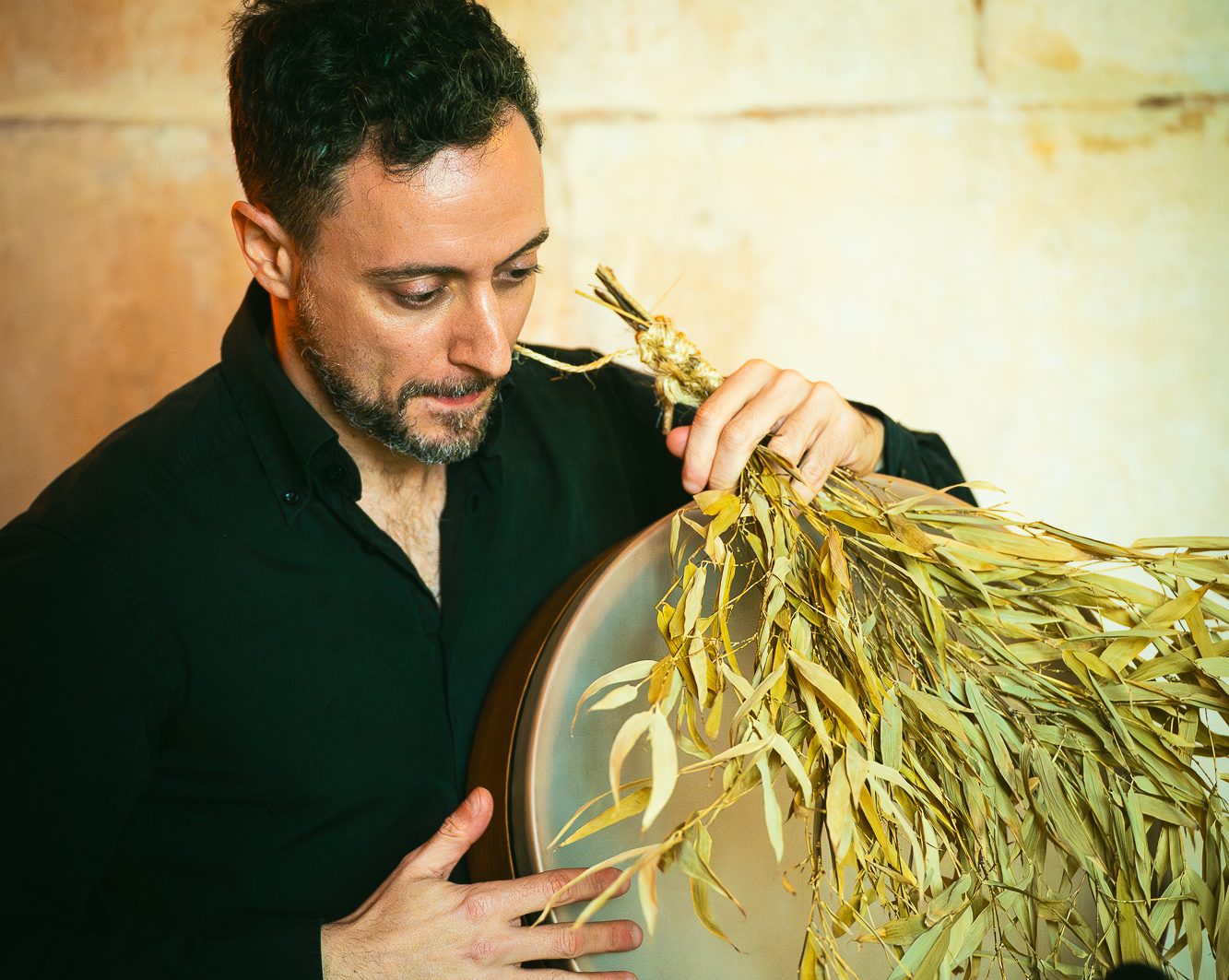
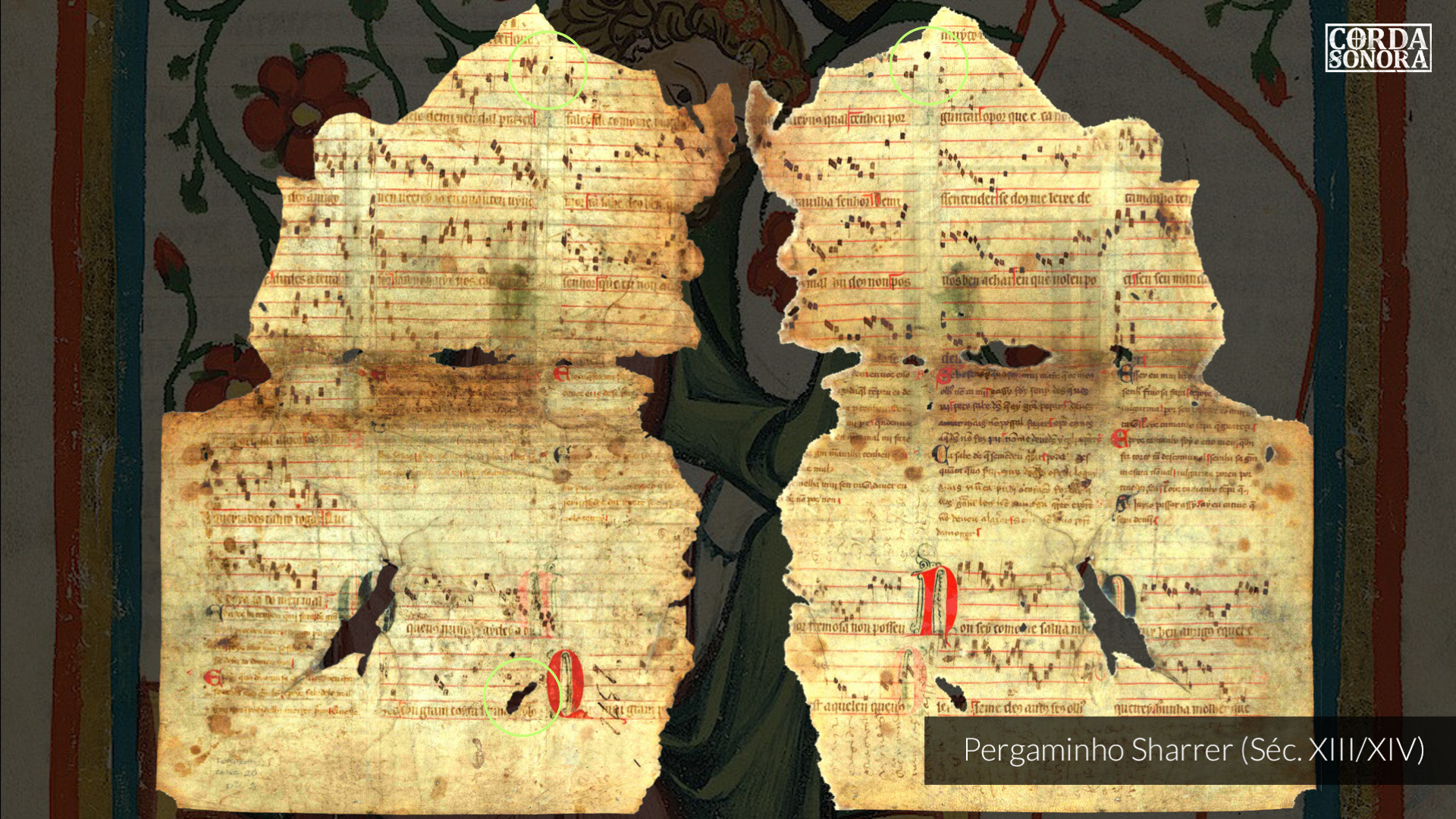
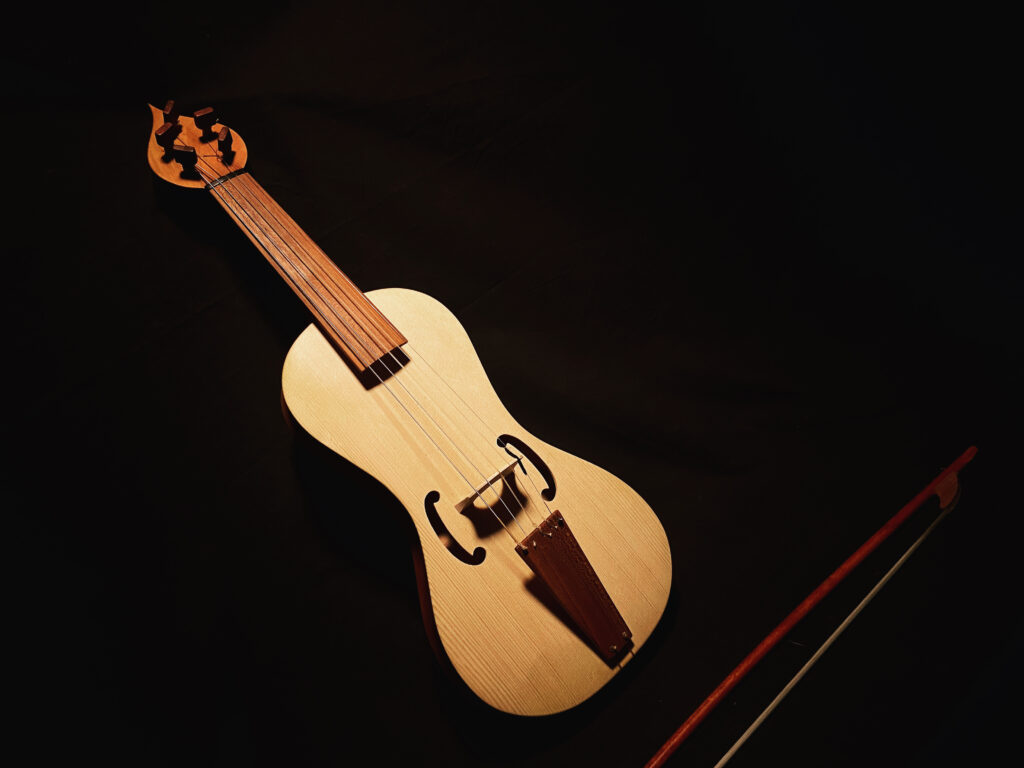
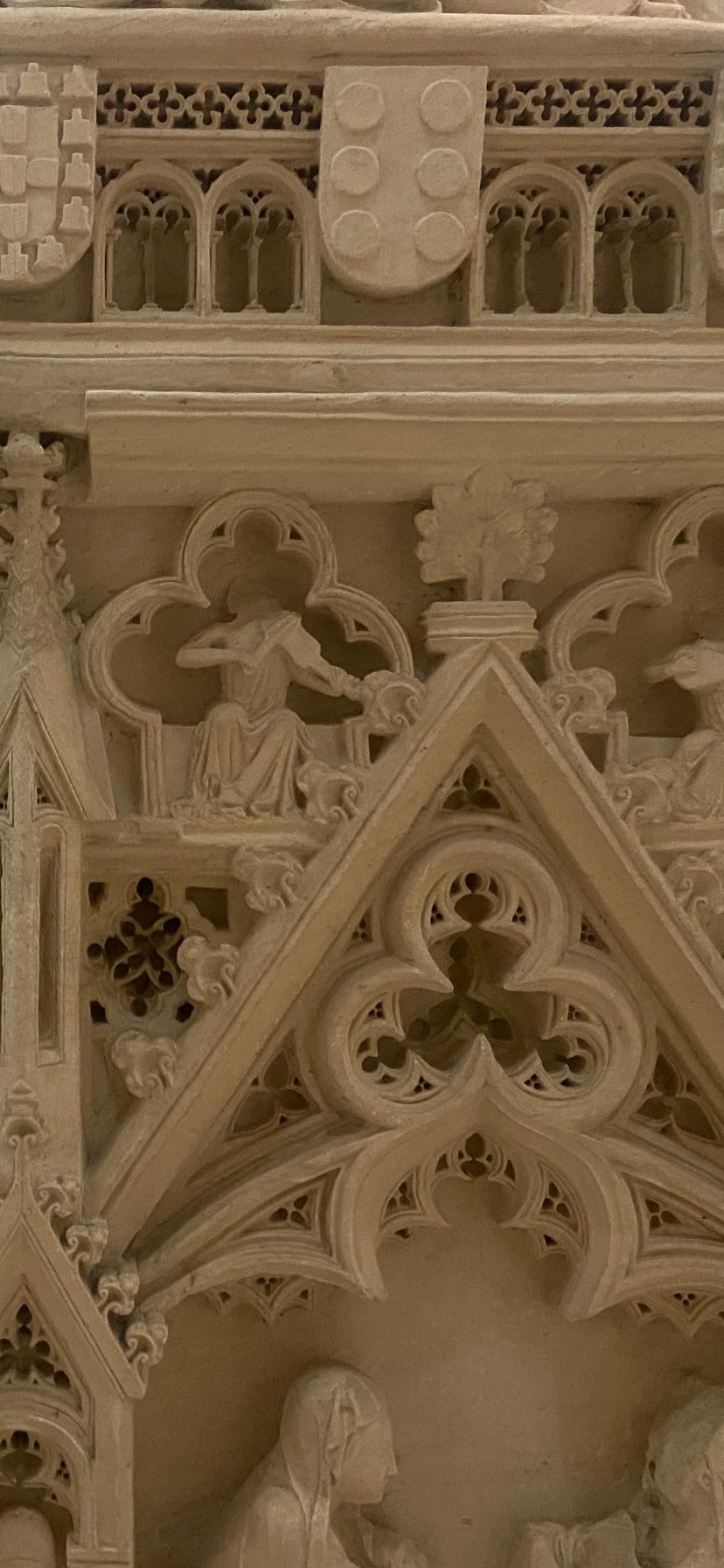
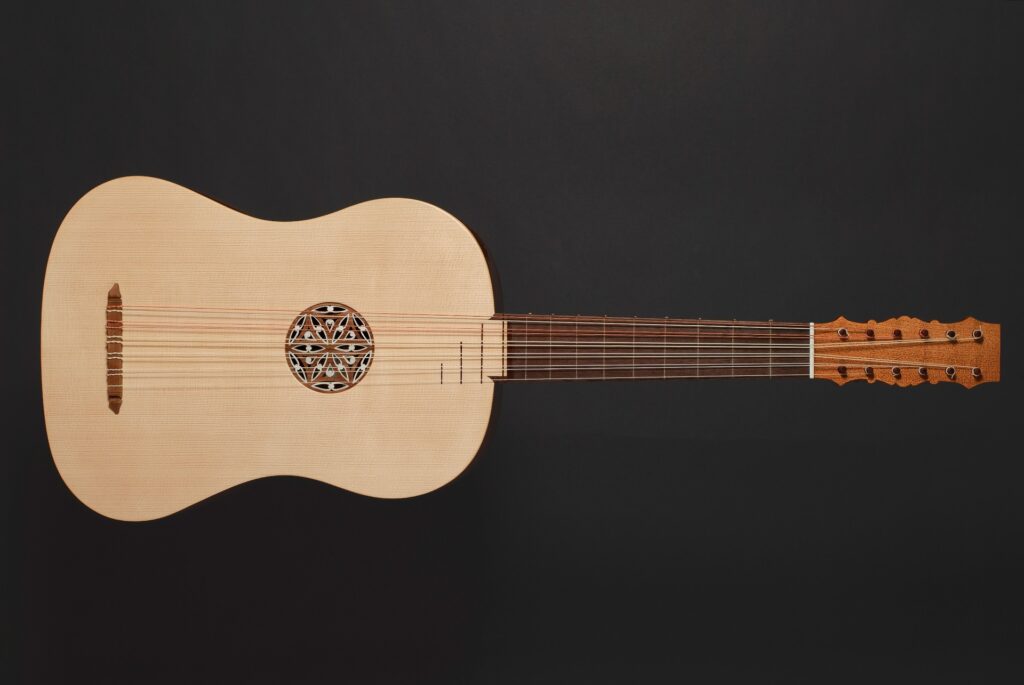
And so it began. The manuscripts. The era-appropriate instruments. The research. Countless days and nights with bent backs over scans of songbooks and parchments and dictionaries. Combined with the troubadour-like storytelling the ensemble had been doing since the beginning.
This was a success too, as thousands of people (academics of history to musicologists to fantasy fiction literature fans) began enjoying The Wandering Bard in online platforms, just the way ensemble had desired.
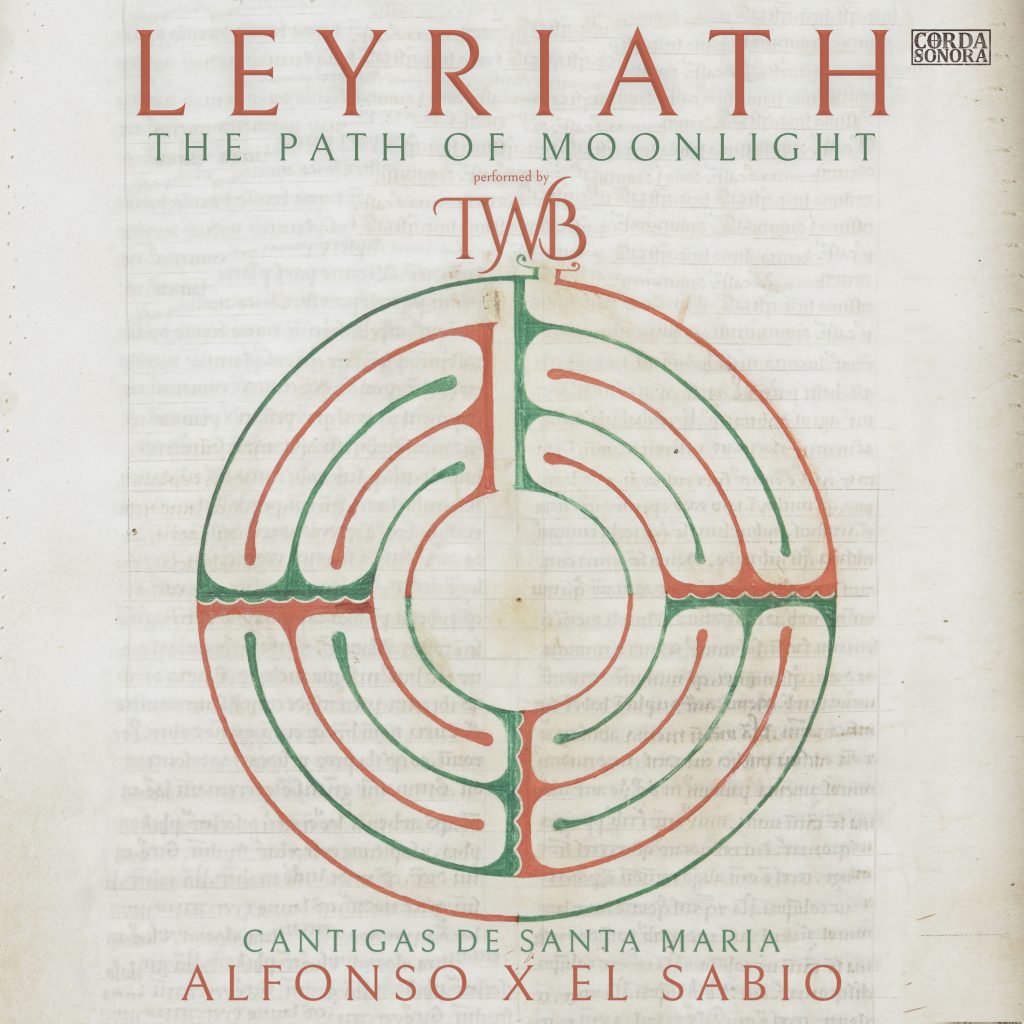
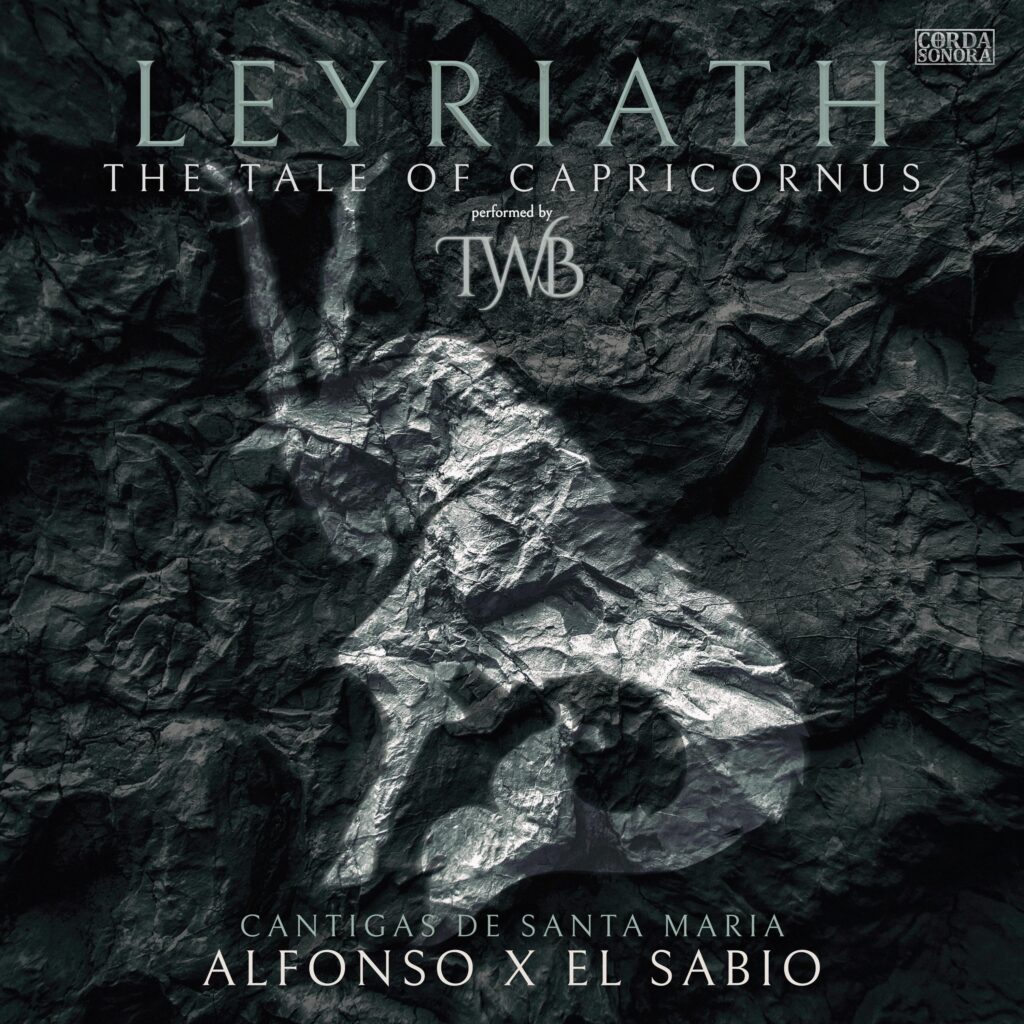
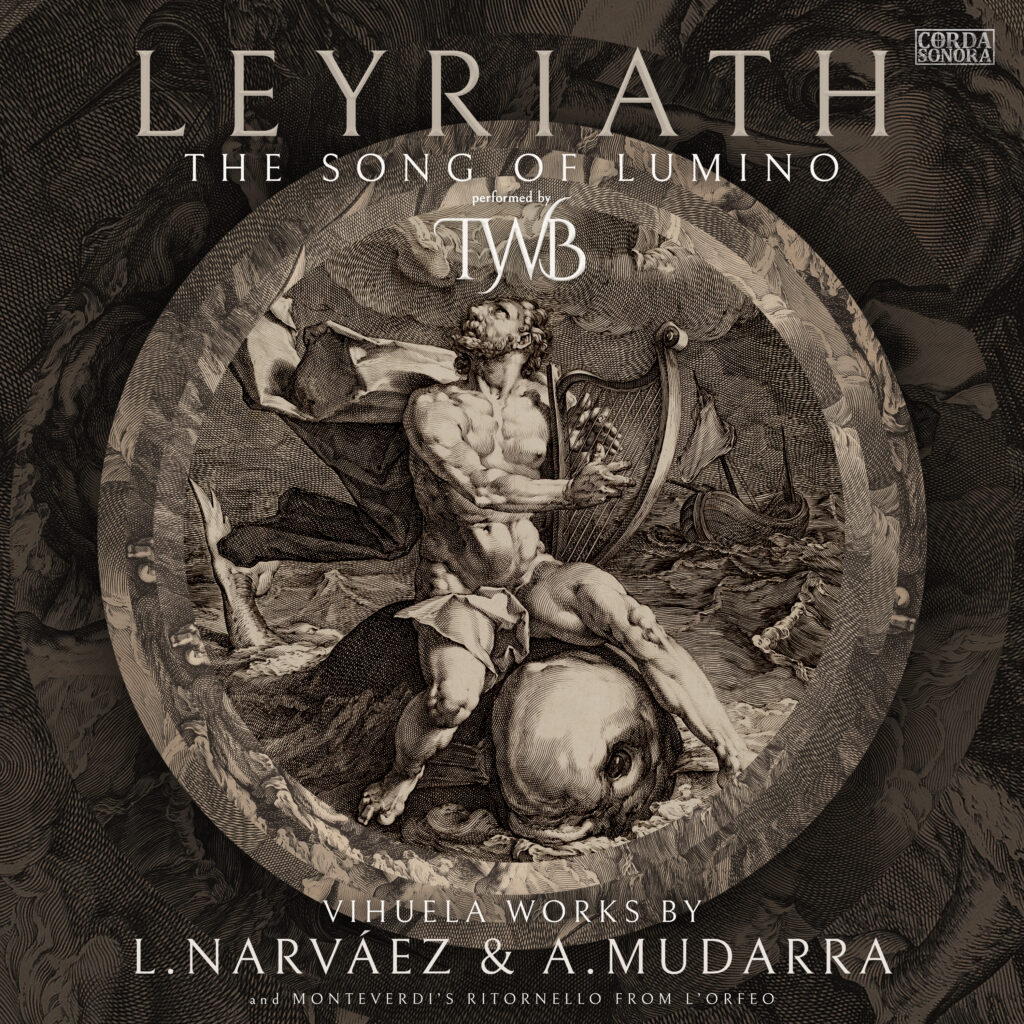
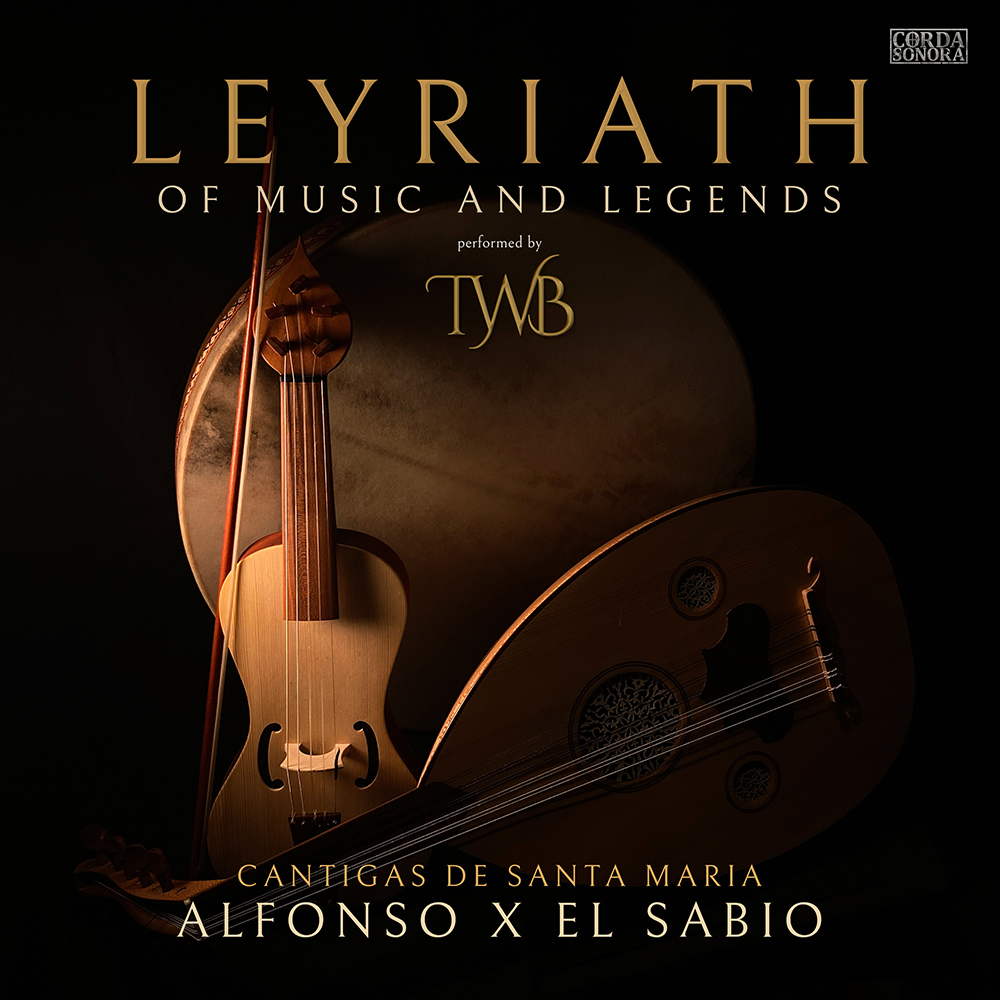
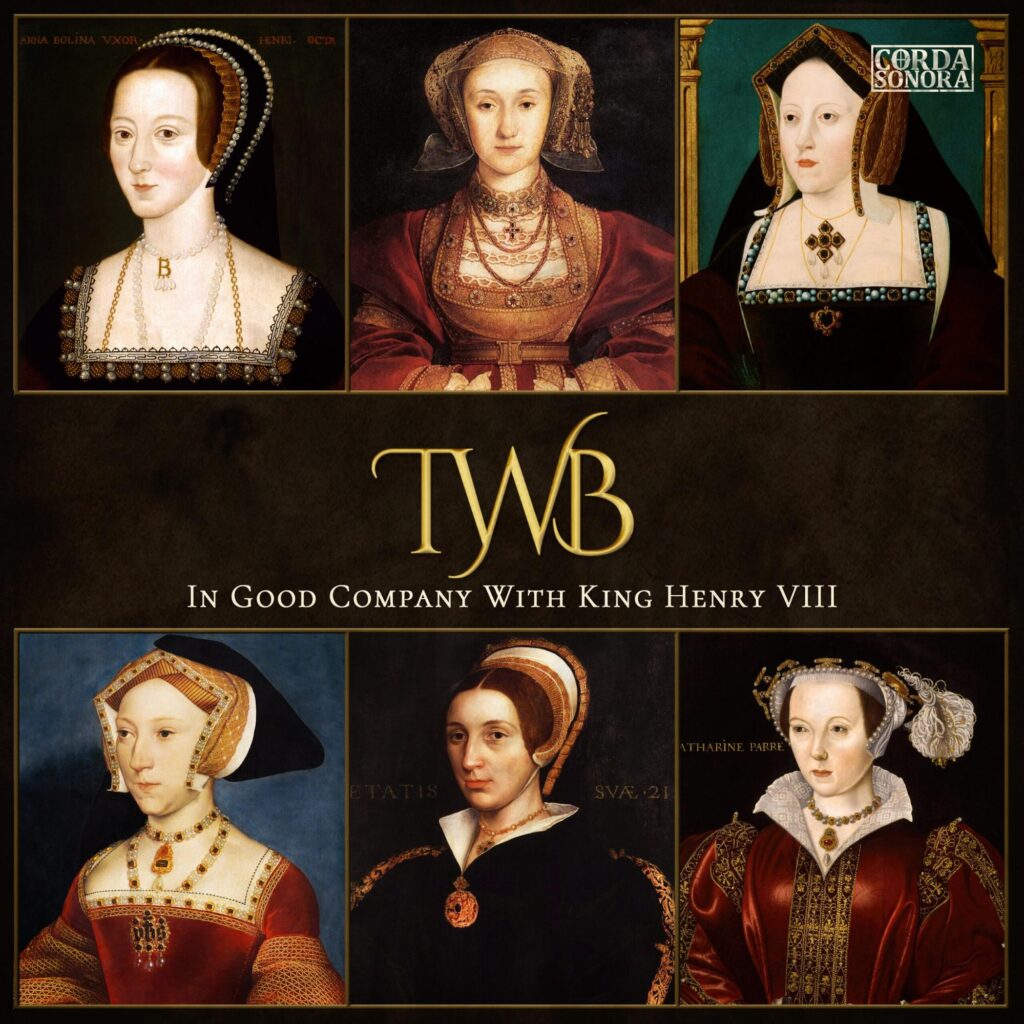
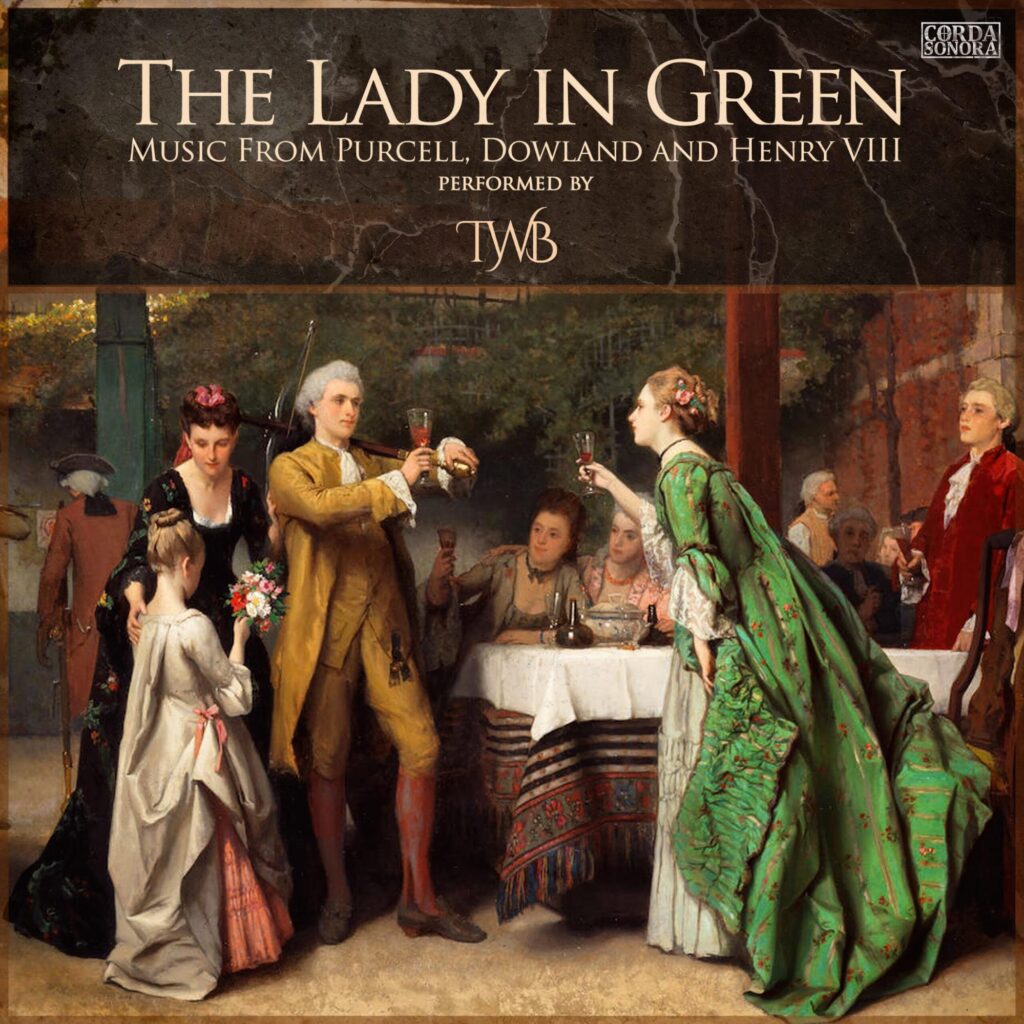
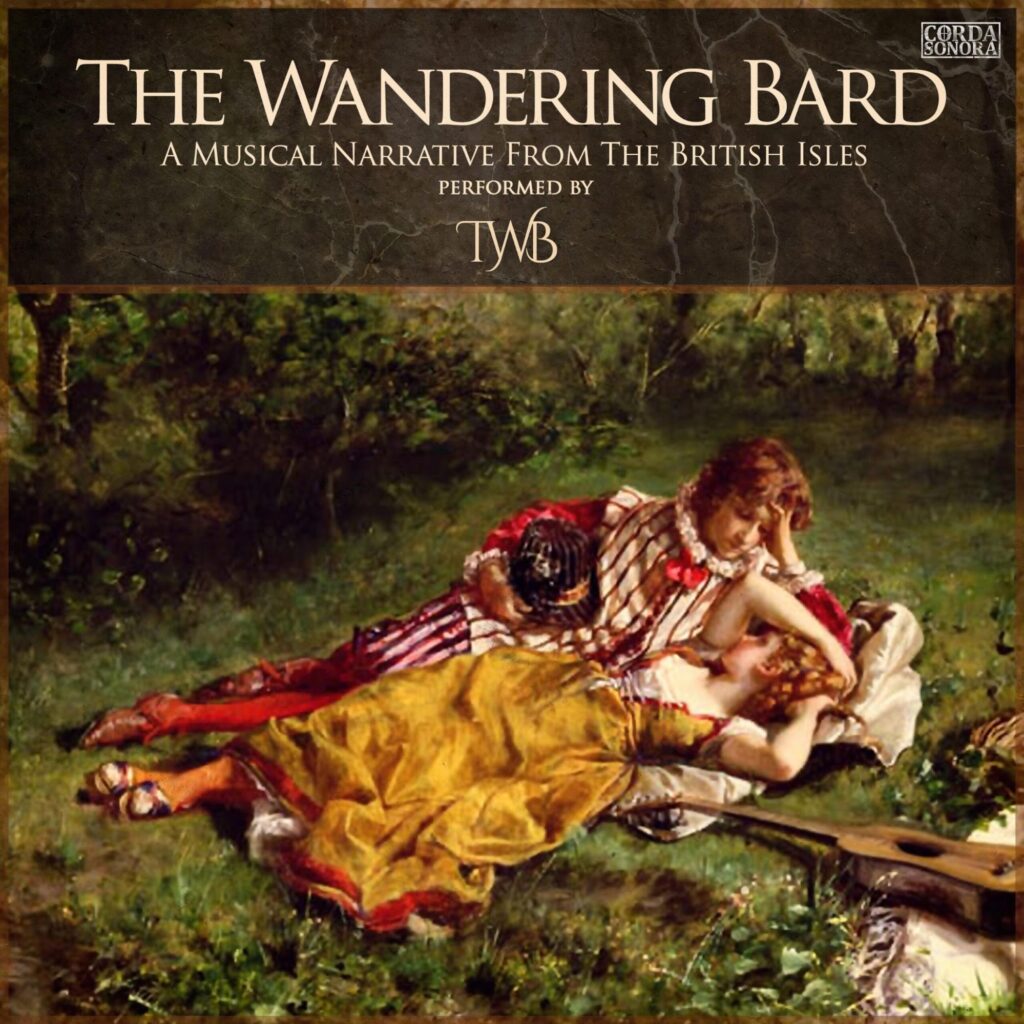
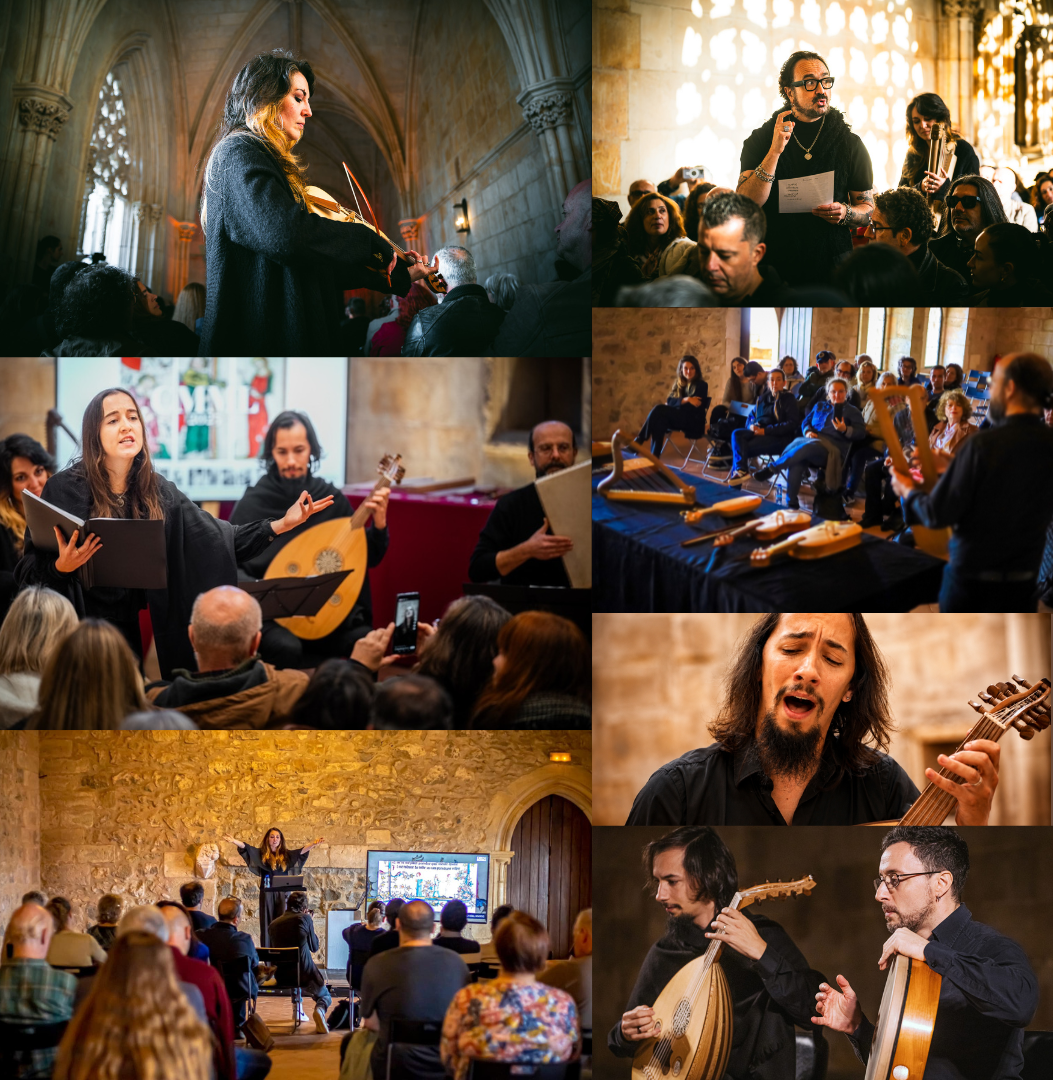
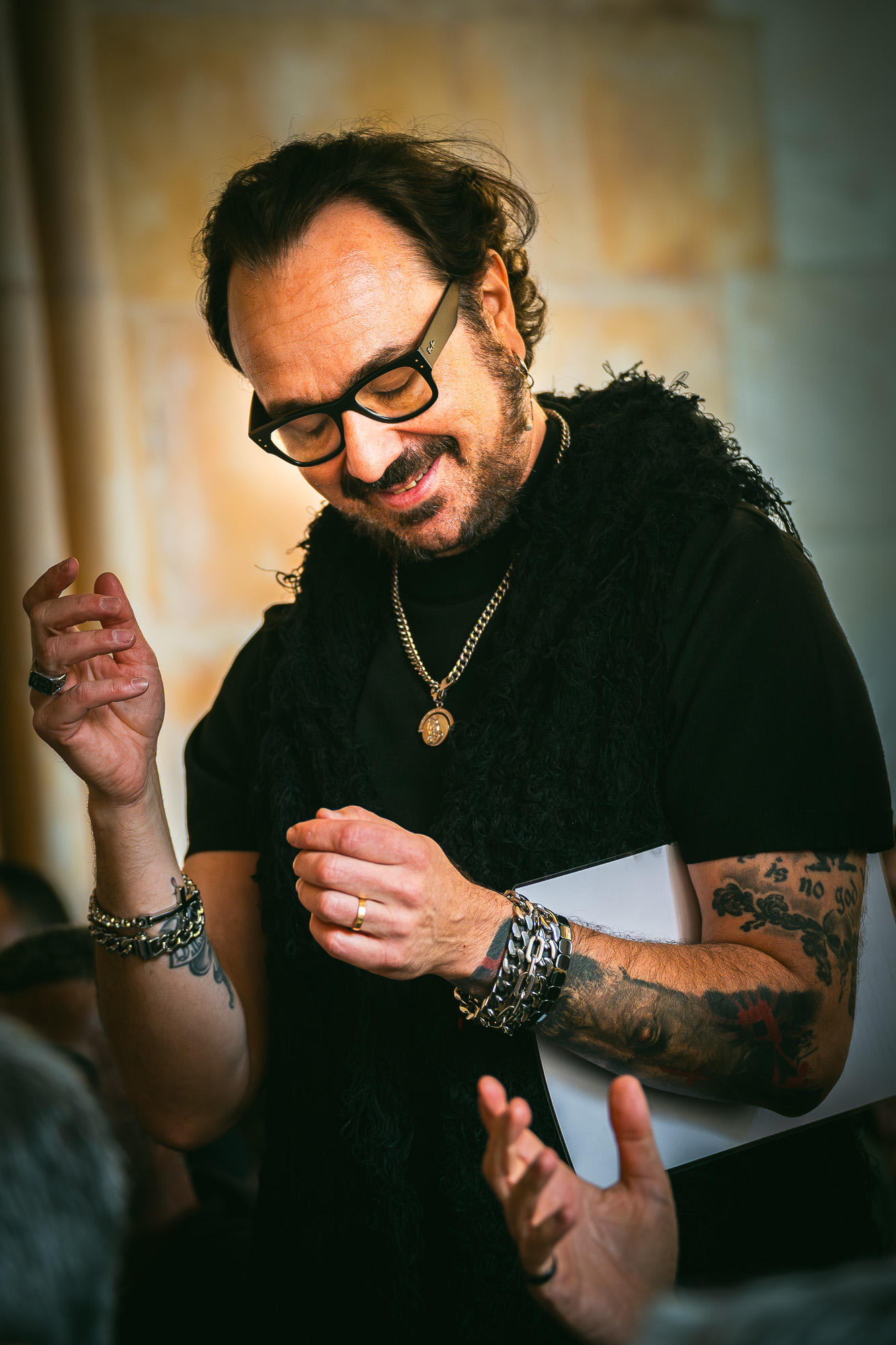
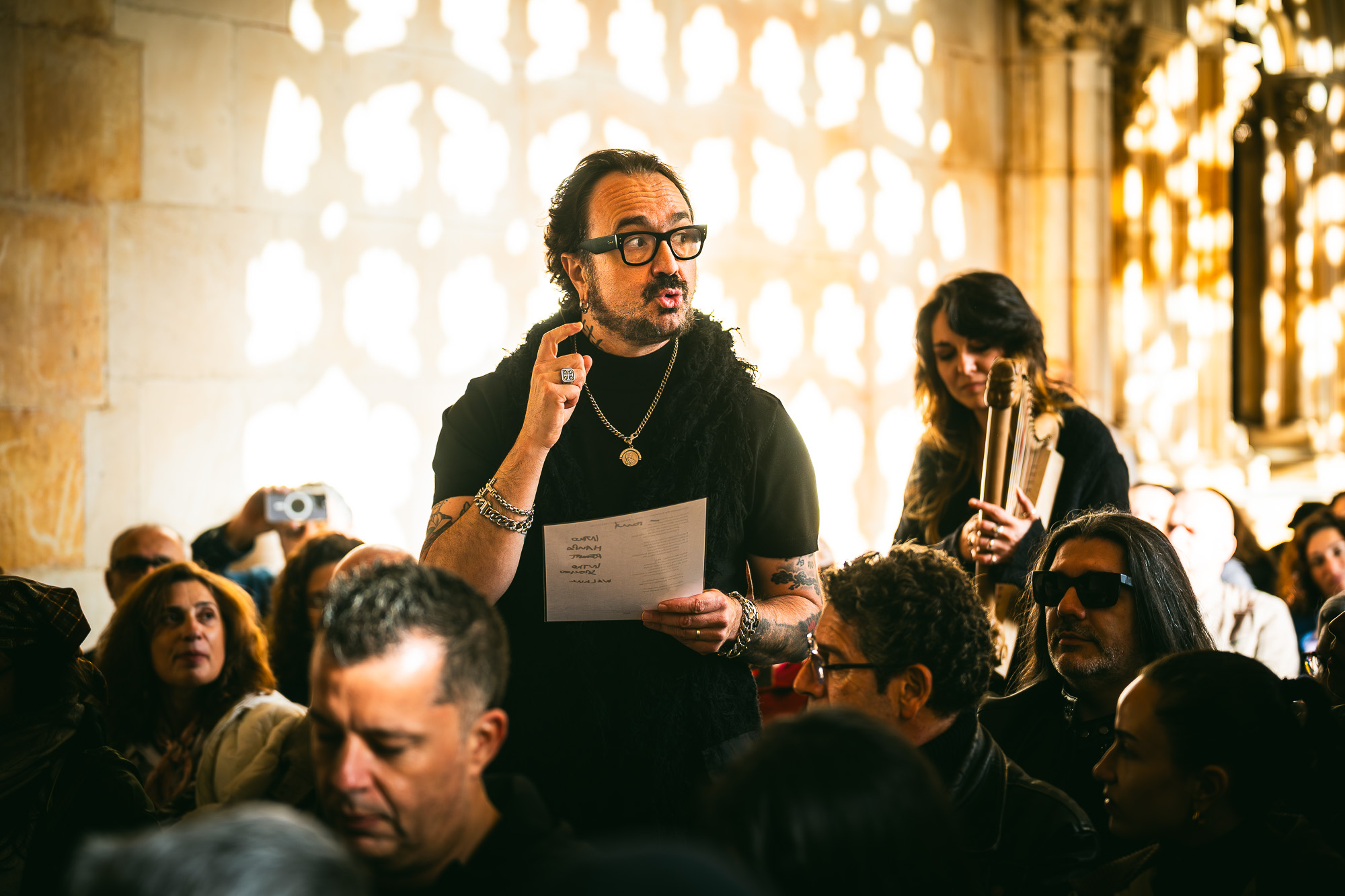
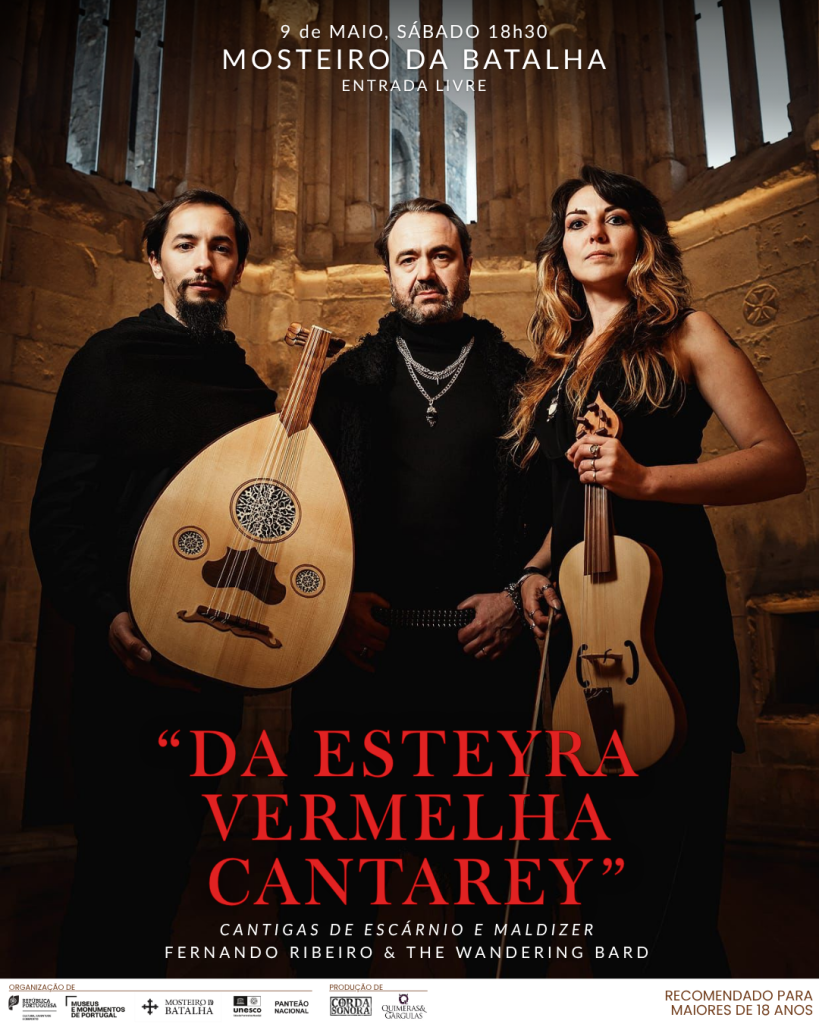
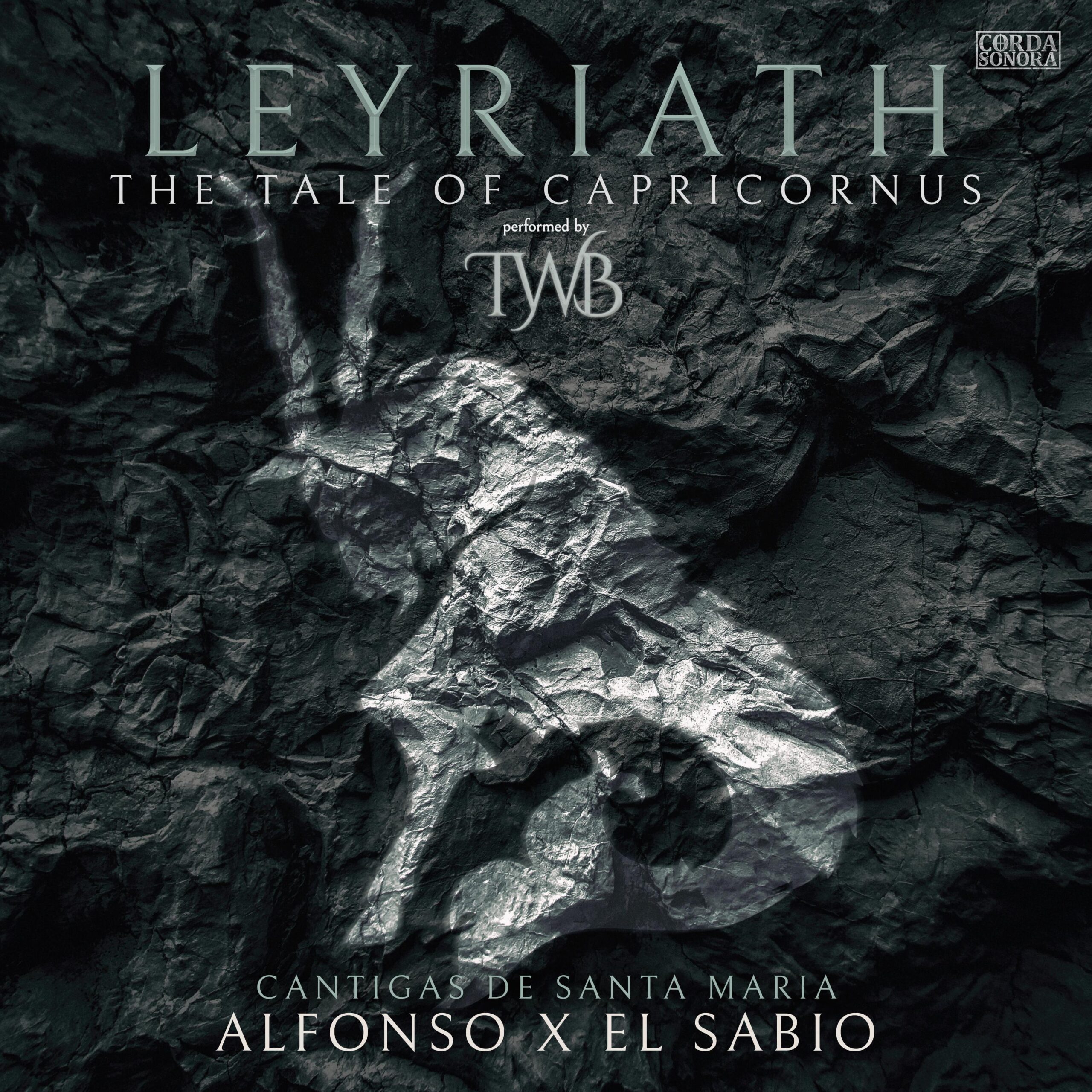
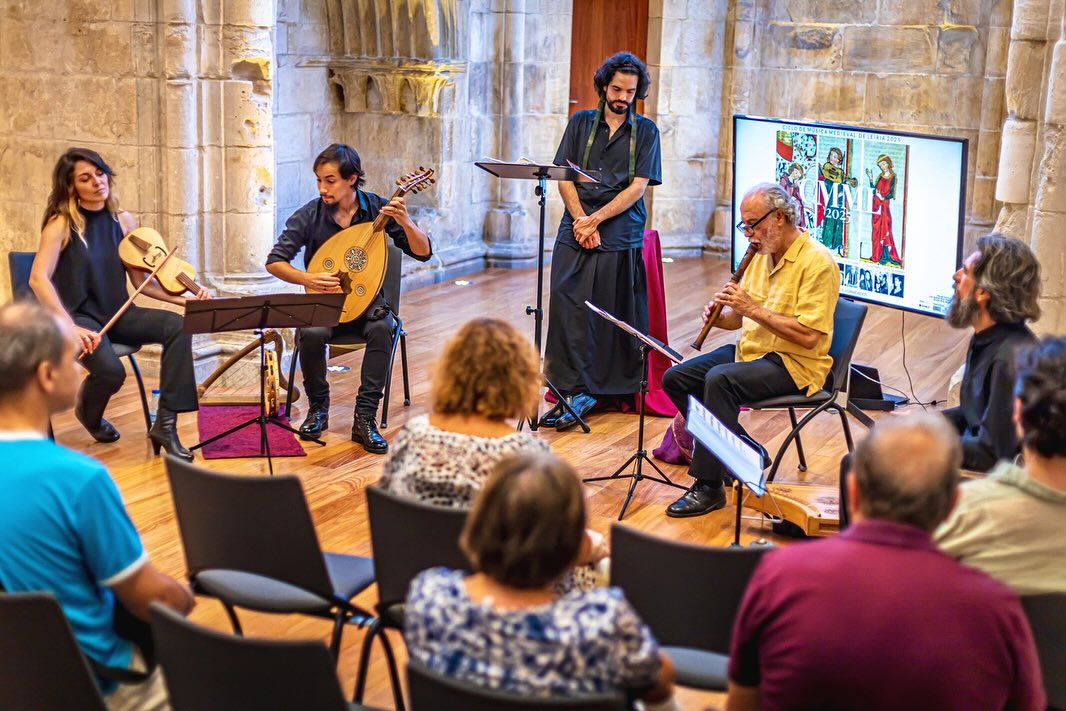
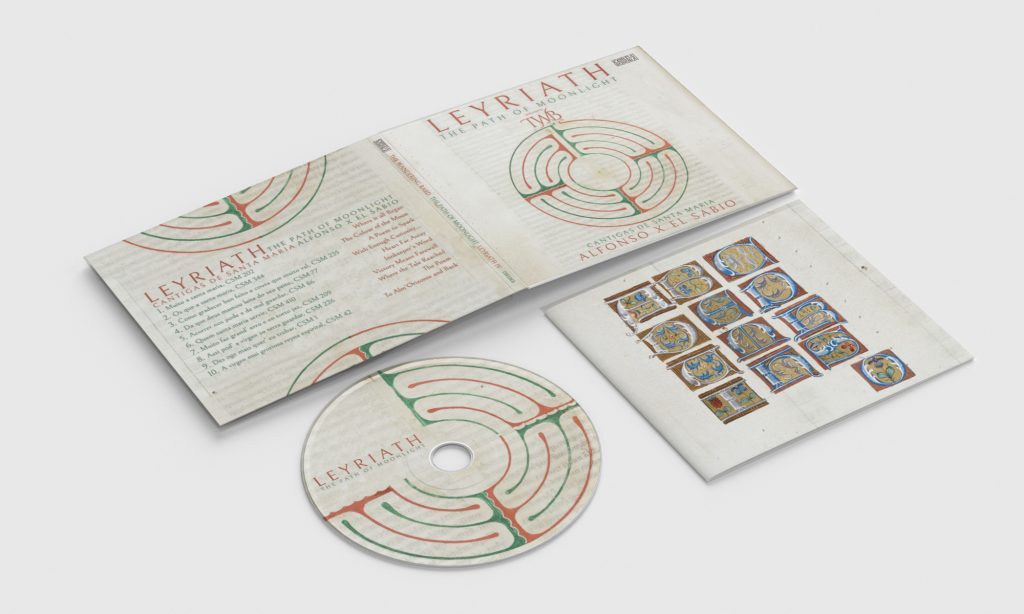
And now The Wandering Bard performs and teaches medieval music with a historically informed yet still unique approach. Results of their research is presented in distinctive arrangements based on the manuscripts, while reflecting elements of the musical narratives they perform during their concerts and on their albums. Their passion for reaching different audiences and connecting with them found a new home in their open-to-everyone presentations and workshops, where participants get to see the sources and learn about the very tangible magic behind this music through historical manuscripts; a fruit of the ensemble’s desire to contribute to the democratisation of culture and knowledge.